
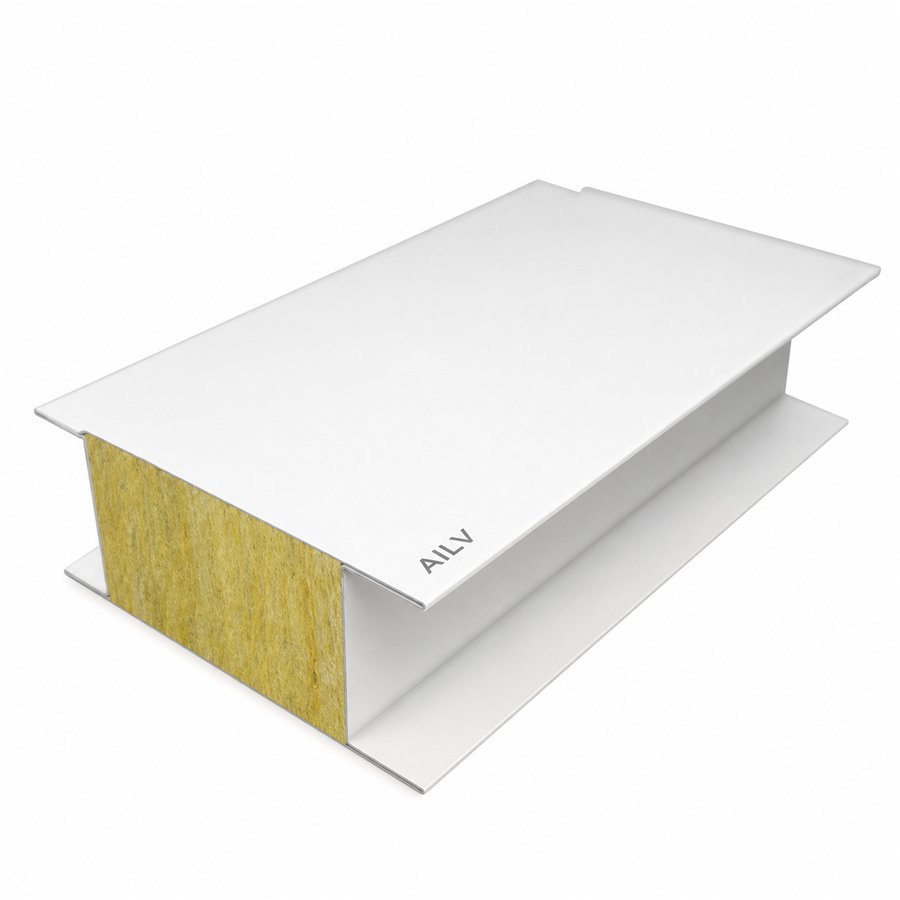
Compare handmade and machine-made cleanroom panels by customization, openings, dimensional consistency, quantity and installation planning.
Handmade and machine-made cleanroom panels can both be used to build clean, durable wall and ceiling systems. The right format depends less on a simple “better or worse” comparison and more on module repetition, coordinated openings, connection details, quantity and installation planning.
For buyers comparing handmade vs machine-made cleanroom panels, this guide explains the practical differences and the information a manufacturer needs before recommending a panel configuration.
| Selection factor | Handmade panels | Machine-made panels |
|---|---|---|
| Module design | Well suited to project-specific modules and coordinated details | Well suited to standardized, repeated modules |
| Openings | Flexible for doors, windows, pass boxes and service interfaces | Best when opening positions and dimensions are standardized early |
| Production | More manual assembly and project-by-project control | Continuous production supports dimensional consistency and volume |
| Typical fit | Customized rooms, mixed modules and detail-intensive areas | Repeated wall or ceiling layouts and larger standardized quantities |
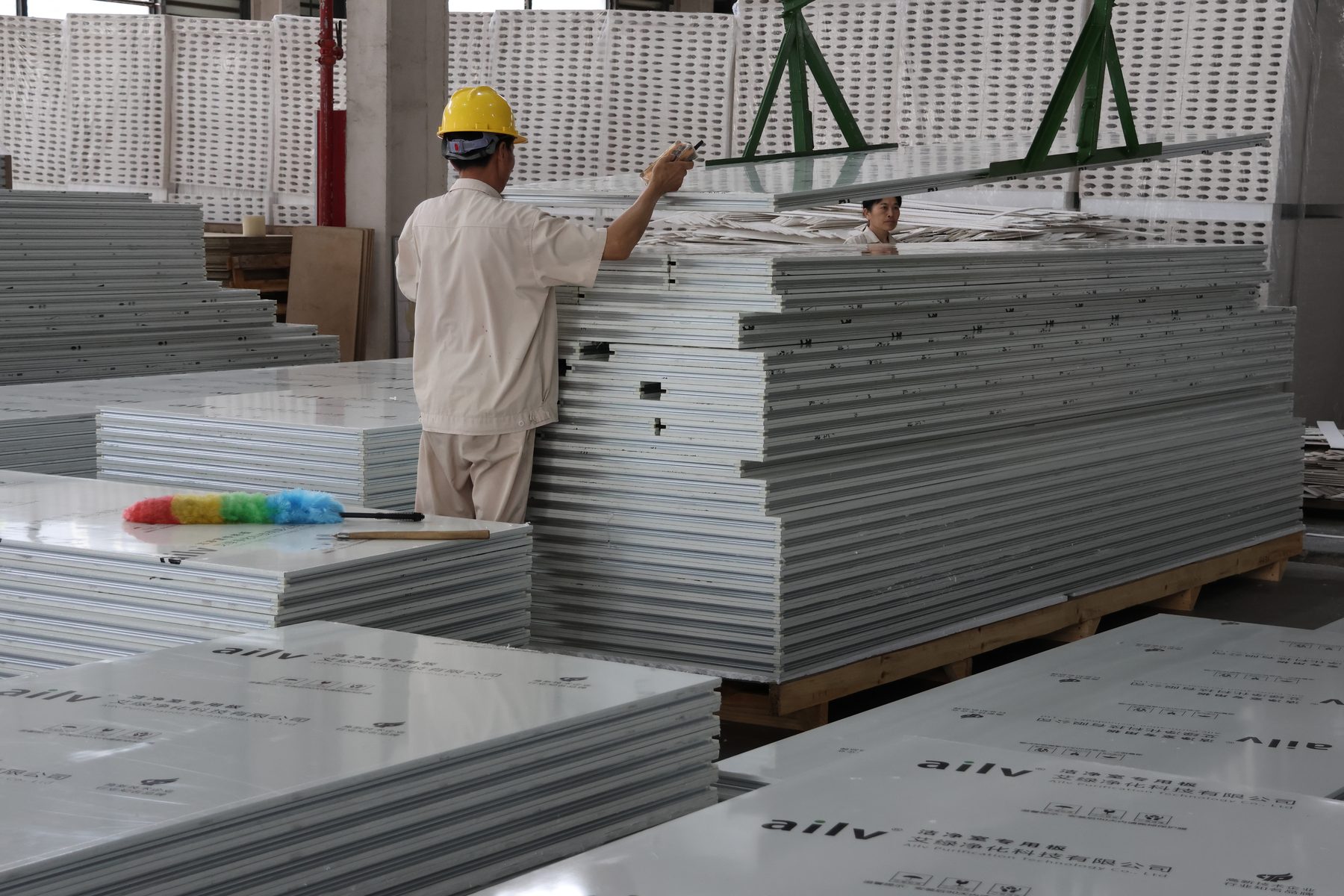
A handmade cleanroom panel is assembled with greater manual involvement, allowing the panel manufacturer to coordinate special sizes, internal reinforcement, cut-outs and junction details against the project drawings. This makes the format useful when a cleanroom enclosure contains many door and window openings, pass boxes, return-air details or non-repeating modules.
“Handmade” does not mean every panel is a one-off product. A project can still use controlled materials, drawings, production checks and repeatable components. The distinction is that the manufacturing method gives more flexibility for project-specific construction.
Explore the AILV handmade cleanroom panel range, including rock wool, polyurethane, magnesium oxysulfide and aluminum honeycomb options.
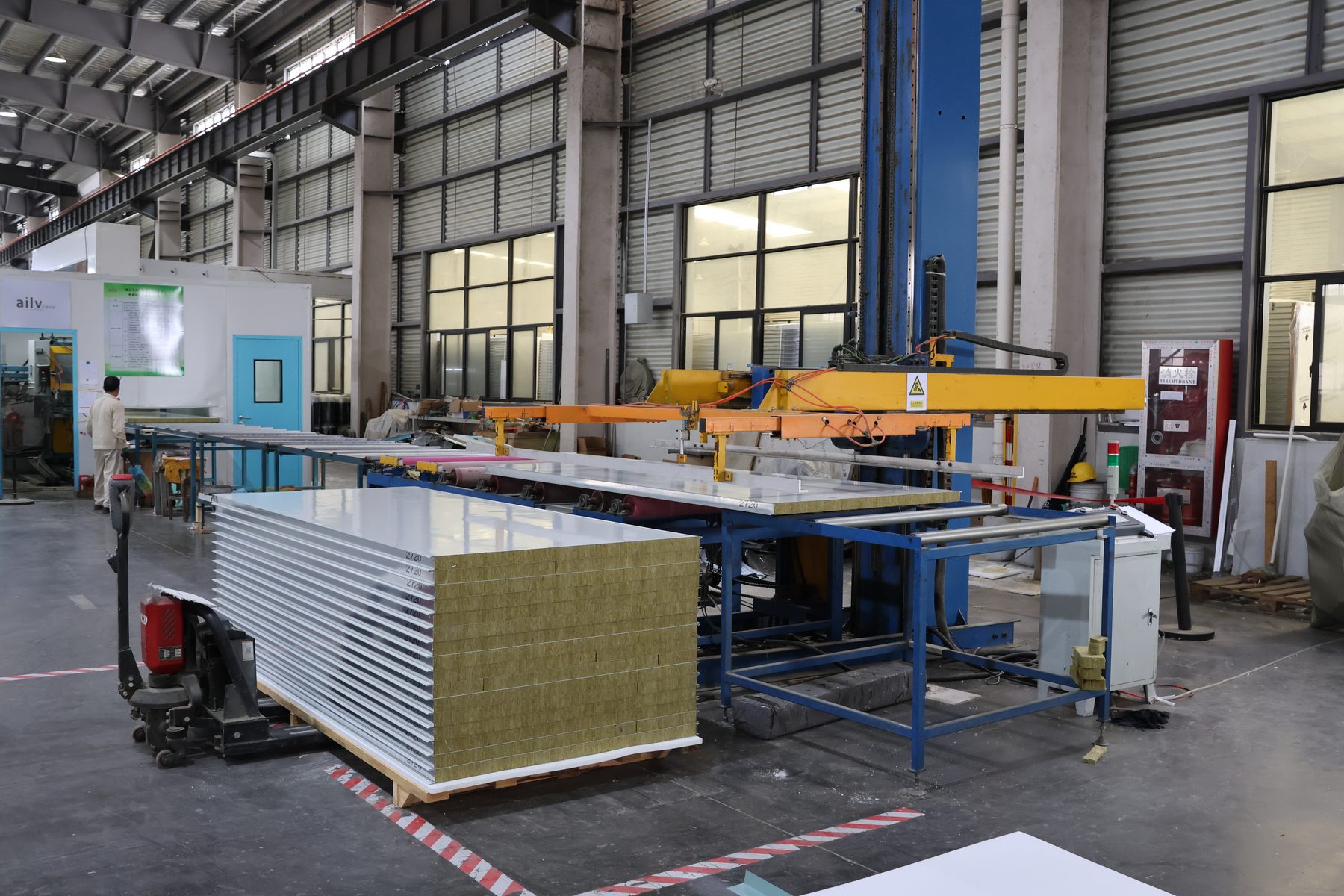
Machine-made panels are produced on a continuous or semi-continuous line. This process is efficient for standardized panel dimensions and repeated wall or ceiling layouts. When a project has stable module widths, well-defined joint details and larger quantities, line production can support consistent geometry and predictable output.
Machine-made panels still require coordinated drawings. Door, window and service openings should be confirmed before production so that the panel layout, cutting plan and accessory interfaces work together on site.
See the AILV machine-made cleanroom panel range for available core and facing combinations.
A repeated corridor or production-room grid often favors machine-made modules. Rooms with frequent size changes, offsets or local detailing may benefit from handmade panels.
Mark every cleanroom door, window, pass box, equipment opening and service penetration on the panel elevation. The number, size and position of these interfaces can influence both the panel format and the required reinforcement.
Fire, thermal, structural, hygiene and cleaning requirements should be translated into a clear material schedule. Rock wool, polyurethane, magnesium-based cores and honeycomb products serve different project priorities. The production format should be selected together with the core, facing and joint system—not in isolation.
Volume alone does not decide the answer, but repeated quantities may make line production more practical. For multi-room projects, panel numbering, packing by area and the installation sequence are also important purchasing considerations.
Before ordering, align wall-to-ceiling junctions, internal and external corners, door and window frames, floor tracks and accessory profiles. Early coordination reduces site cutting and helps the enclosure components arrive as one compatible package.
Yes. A cleanroom project may use machine-made panels in standardized areas and handmade panels around complex openings or detail-intensive zones. The important point is to coordinate thicknesses, joints, finishes and installation interfaces so the mixed system remains visually and functionally consistent.
AILV’s CleanCore modular cleanroom panel system brings handmade and machine-made formats into one coordinated product family. Our role is to support panel selection, enclosure detailing, manufacturing and component coordination; project-specific HVAC, civil works and complete EPC scope should be confirmed separately.
Neither format is universally better. Handmade panels are often selected for customization and coordinated openings, while machine-made panels are often selected for repeated modules and efficient standardized production.
Depending on the selected panel specification and support system, both formats can be configured for cleanroom wall or ceiling applications. The final choice should follow project loads, spans, interfaces and installation requirements.
Send drawings, quantities, panel thickness, core material, facing material, finish, room height, opening schedule, destination and required delivery timing. If specifications are incomplete, AILV can help organize the panel and enclosure information needed for a technical review.
Review the complete AILV cleanroom panel range or send your drawings for panel and enclosure coordination.