Hardware & Layout Basis
Map sensitive surfaces, assembly stations, item dimensions and contamination limits before fixing room zoning.
Industry Solutions / Aerospace
Start with the hardware and its assembly sequence. Set the contamination limits for each step. Ask the contractor to price the enclosure, HVAC, utilities, lifting routes and installation sequence together. Agree which verification records the contractor will deliver. Identify who approves materials, cleans flight hardware and accepts it for the mission.
Aerospace / Engineering Procurement
Connect the aerospace process and building brief to the six packages below. Use one coordinated room schedule, equipment interface plan and responsibility matrix to compare scope, installation and handover deliverables.
Map sensitive surfaces, assembly stations, item dimensions and contamination limits before fixing room zoning.
Coordinate room height, equipment doors, lifting envelopes, structural interfaces and maintenance routes with the building team.
Define particle-control targets, operating conditions, heat loads and monitoring points around the assembly activities.
Schedule power, data, process services and sealed penetrations; allocate supply and connection responsibilities.
Sequence construction and cleaning so later overhead work does not expose protected assembly areas.
Agree facility tests, drawings, cleaning records and hardware-contamination evidence as separate deliverables.
A room particle class does not establish hardware surface cleanliness, outgassing suitability, ESD performance or planetary-protection compliance. These require separate project criteria and owners.
Engineering scope in motion
Explore the engineering interfaces before defining the construction and installation package.
Swipe the engineering drawing horizontally to review all four stages.
Identify sensitive surfaces and the largest assembly envelope.
Conceptual coordination diagram, not measured performance. Illustrative engineering sequence; not a certified room layout or contamination prediction. Final system configuration and acceptance criteria depend on the agreed project brief.
Photographs & Project Interfaces
Review the photographs and stated scope, then define what your facility needs. Project-specific environmental results and acceptance documents must be reviewed separately.
Published Project Reference
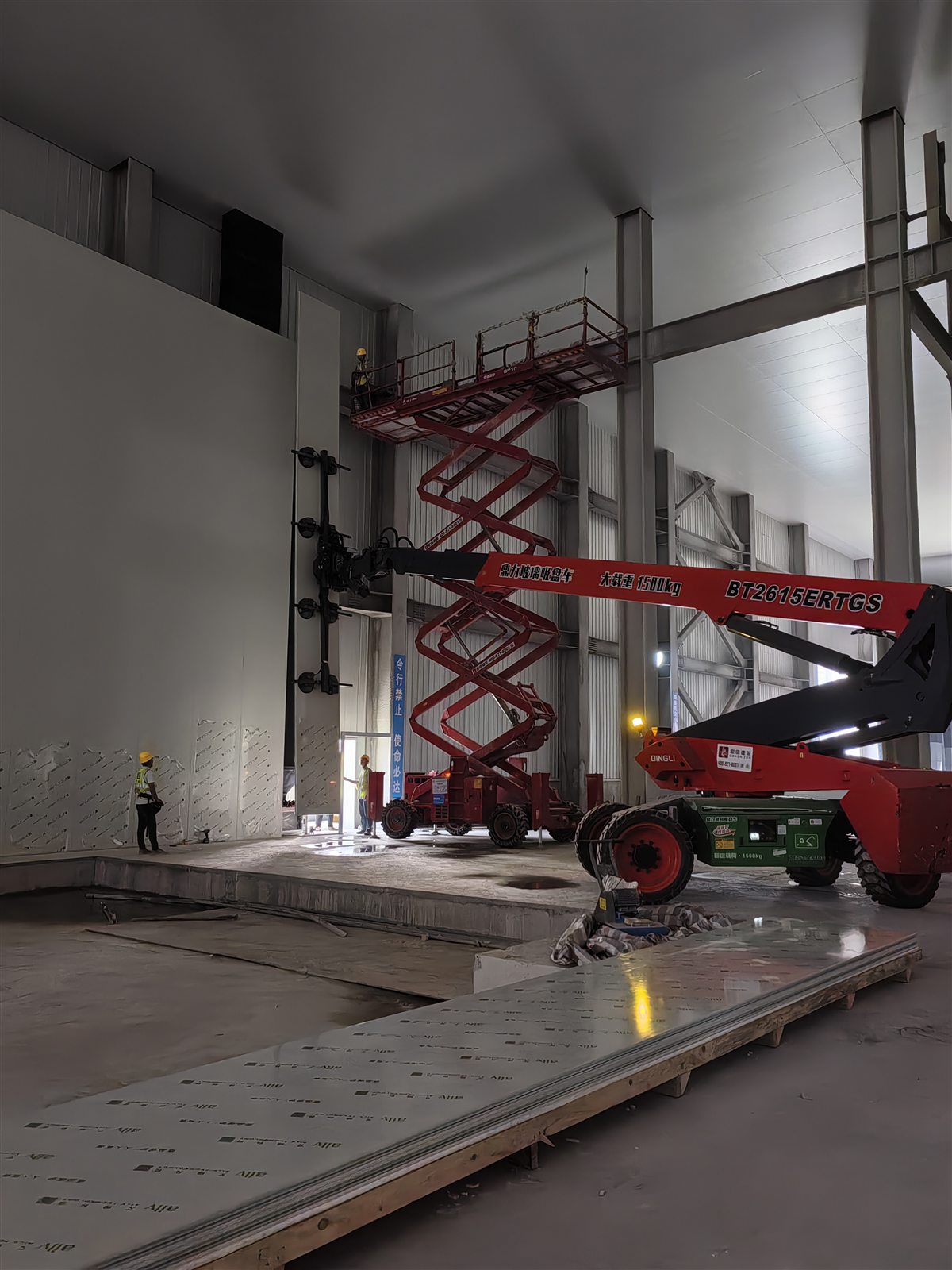
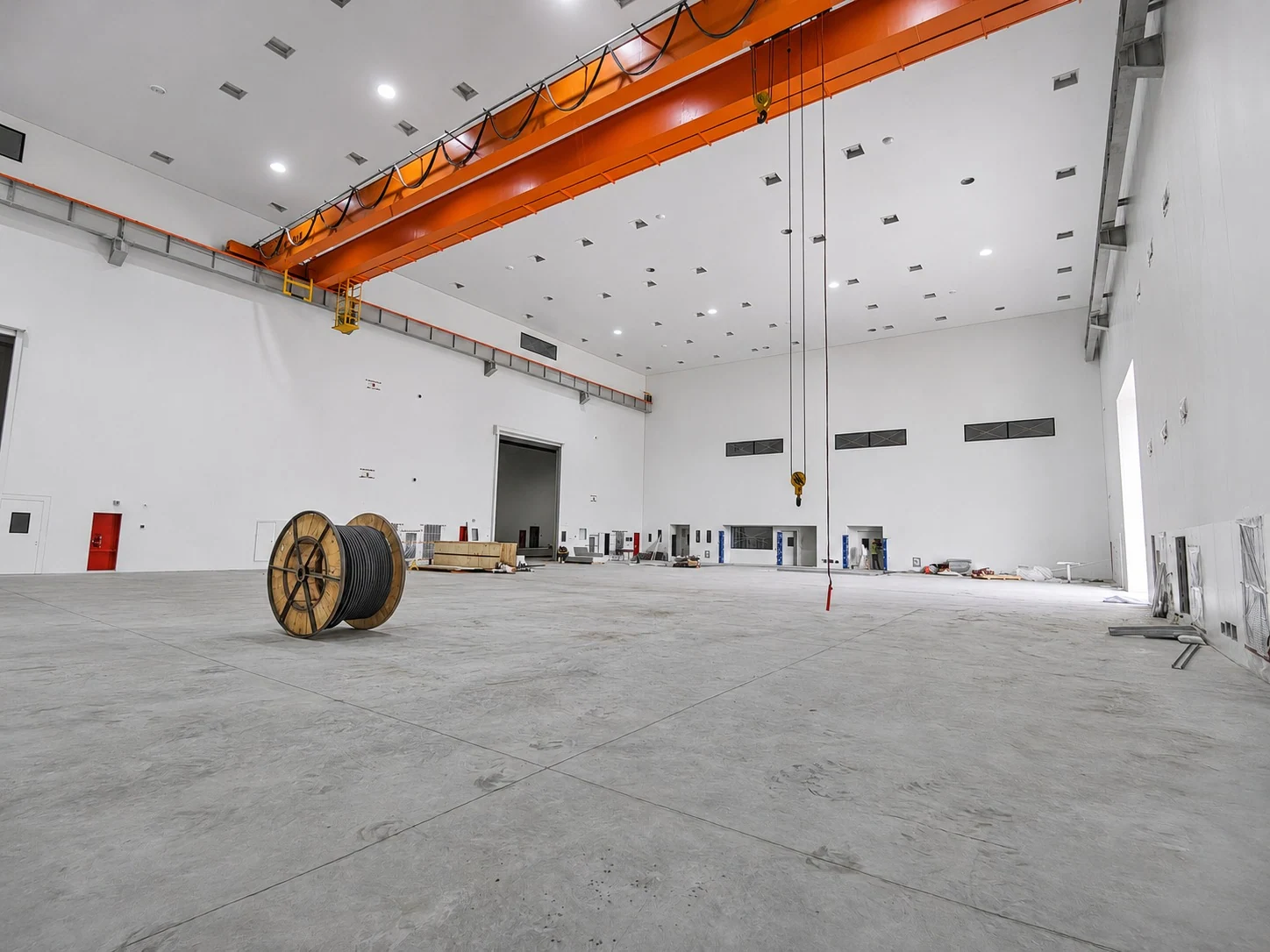
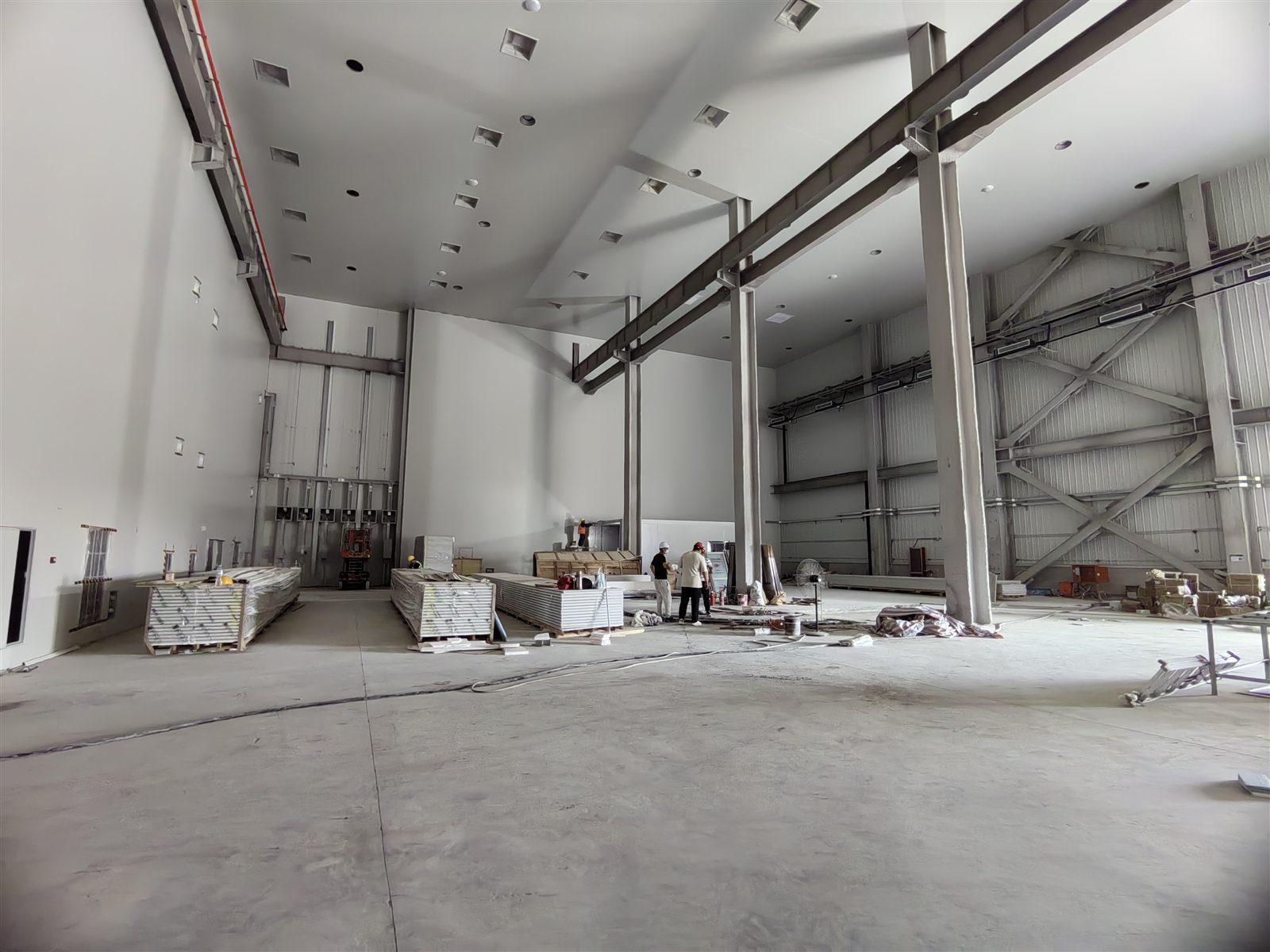
Shandong satellite-assembly construction photographs: high-bay room, overhead crane and service coordination; no mission qualification or ISO class asserted.
View project ↗3 Application Areas
Define the assembly or inspection task first, then match the room, handling and contamination-control requirements.
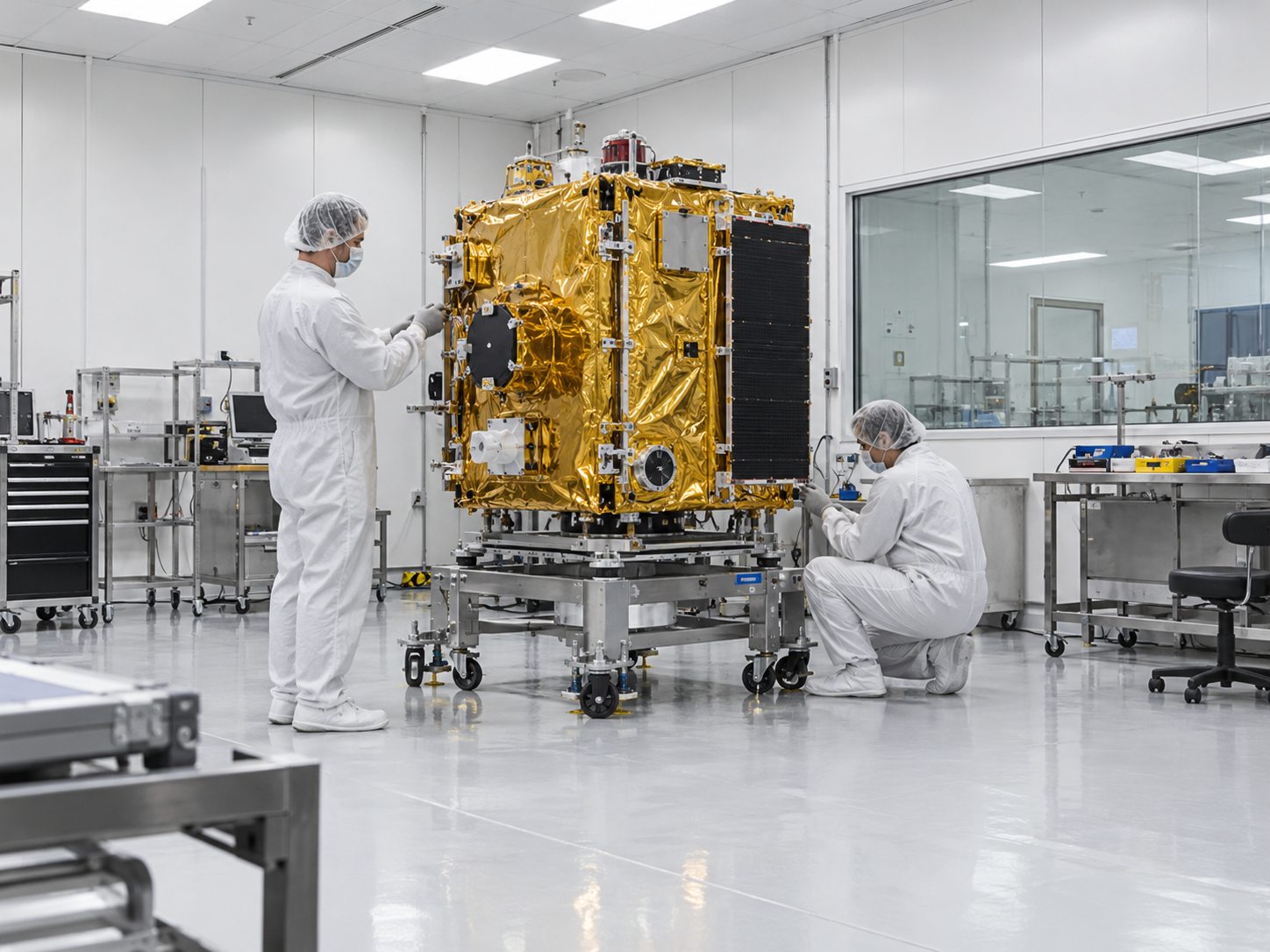
Coordinate assembly space and equipment movement around the component and handling plan.
Discuss This Application ↗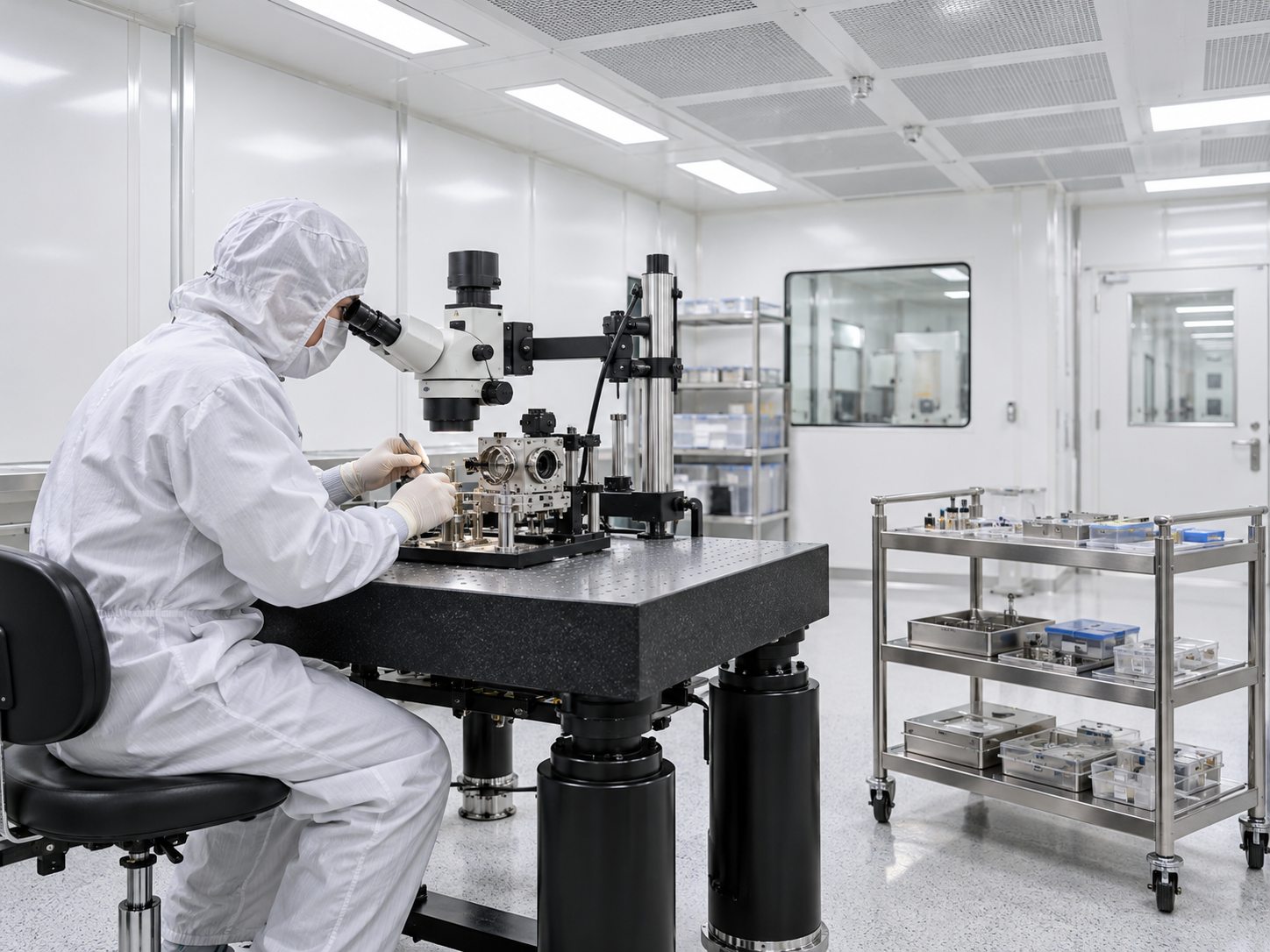
Plan workstations, service access and room conditions for sensitive assembly activities.
Discuss This Application ↗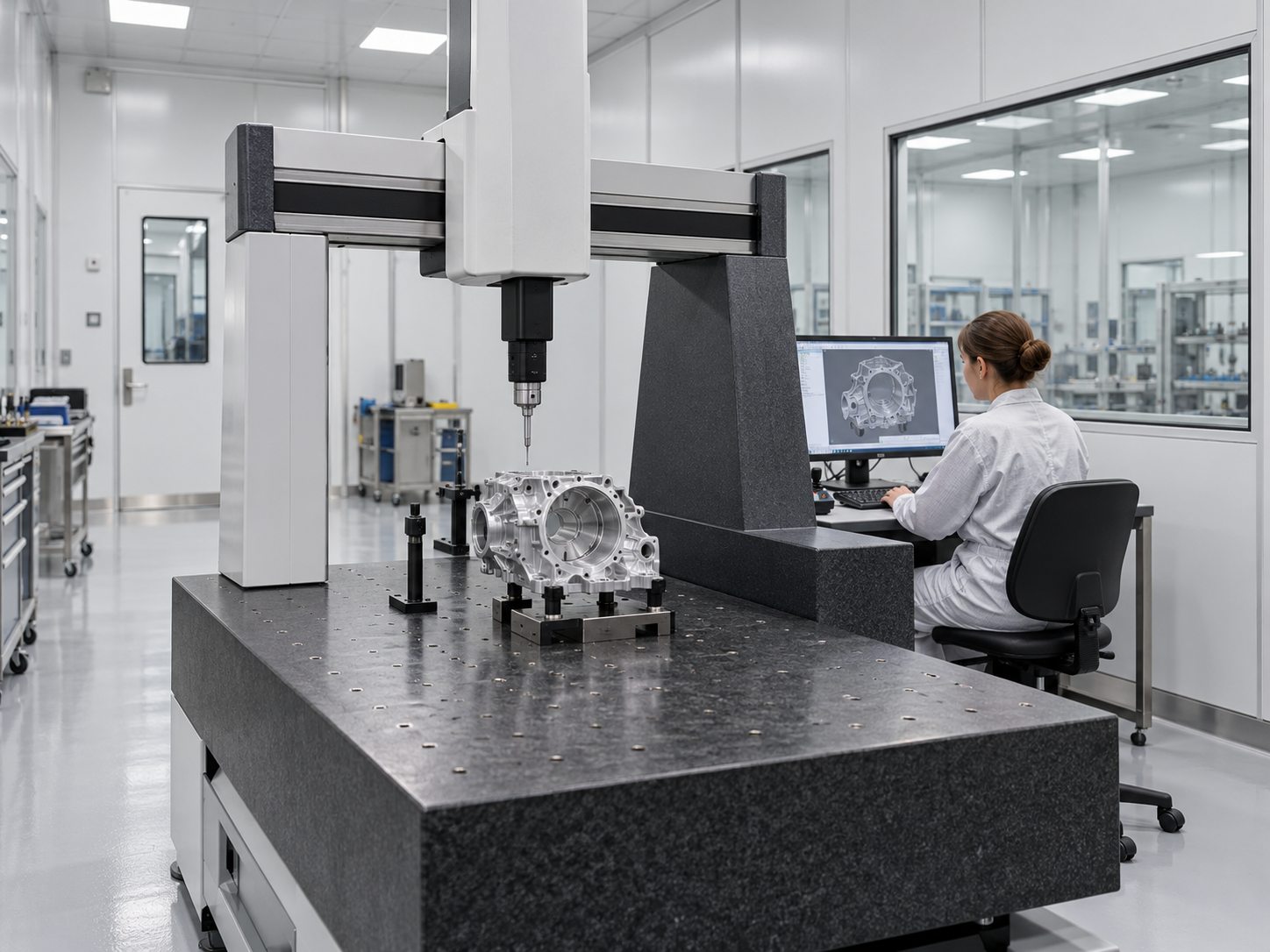
Review inspection equipment clearances, maintenance access and environmental requirements.
Discuss This Application ↗TECHNICAL PLANNING / REQUIREMENTS TO EVIDENCE
Turn mission and process sensitivities into a coordinated enclosure brief. Separate airborne particles, hardware cleanliness and material evidence so each requirement can be checked by the right team.
Start with the flight hardware. Mark exposed surfaces at each assembly step and how long they stay open. Optics, electronics and ground-support equipment can have different limits. Use the mission’s approved contamination-control plan to set requirements for the room.
NASA-STD6016 addresses spacecraft materials and processes and includes controls for interfacing ground equipment, packaging and shipment. Its project scope is not a universal building regulation. Identify the requirements actually adopted by the customer before treating them as acceptance criteria.
Keep airborne particles, surface contamination and molecular contamination distinct. ISO14644-1 classifies airborne particle concentration; it does not characterise the chemical or viable nature of particles. A satisfactory room count therefore cannot establish every surface or molecular requirement for sensitive hardware.
Specify the particle sizes and test state for the room. Set separate limits for hardware surface cleanliness and controls for foreign objects. Check what touches exposed hardware during work, including tools, clothing and packaging. Include maintenance in that review.
Identify materials and vapours that could affect exposed optics, detectors or other sensitive surfaces. Ask which emission or contamination evidence the customer accepts, including test conditions. Particle filtration alone does not settle a molecular-contamination requirement.
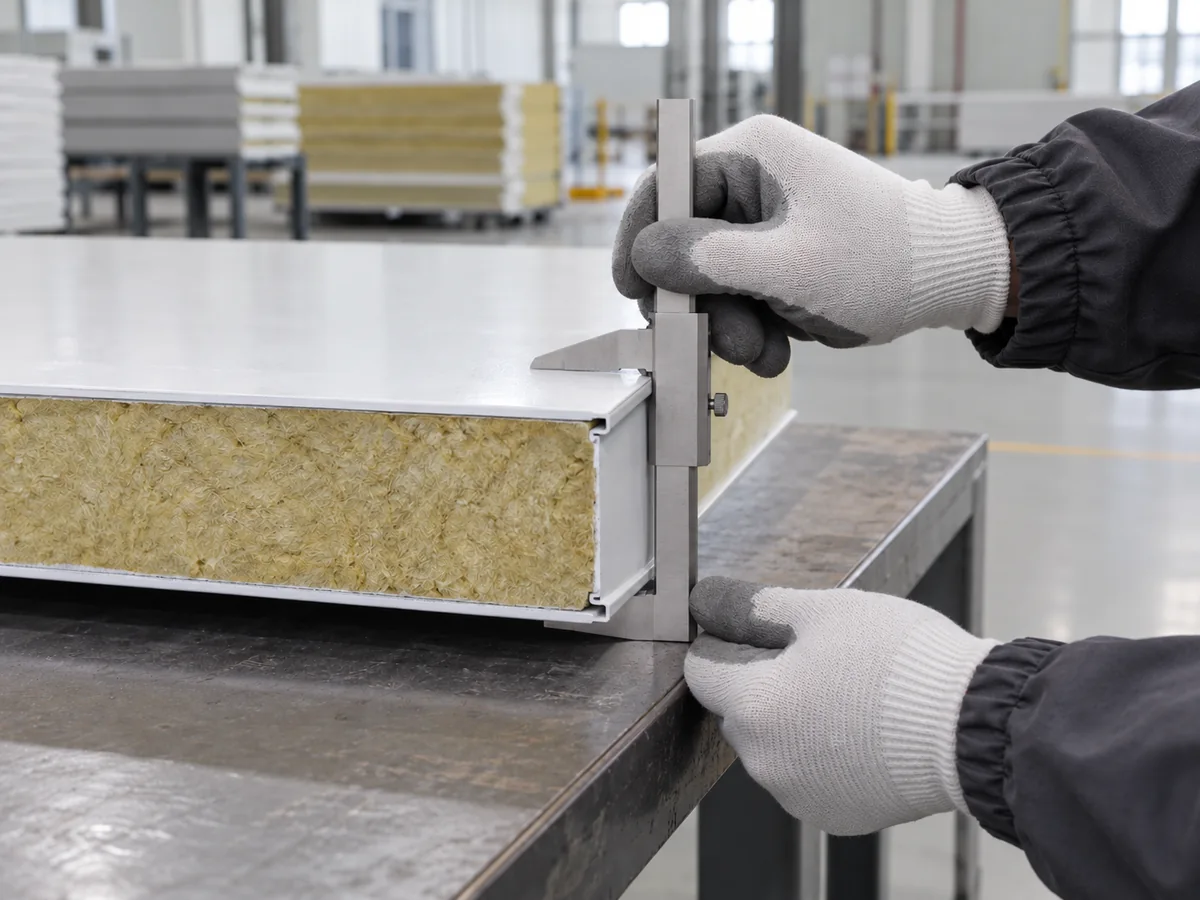
Identify the exact facing, coating, sealant, adhesive, profile and fixing in the proposed assembly. Trace evidence to the manufacturer, formulation, preparation and test method. A report for one material does not automatically qualify a complete panel or every installed joint.
NASA Goddard lists ASTM E595 vacuum test results for individual materials. The test measures total mass loss and collected volatile condensable material. Ask your materials engineer whether the result applies to your hardware. Indoor air emissions and AILV product certification need separate evidence.
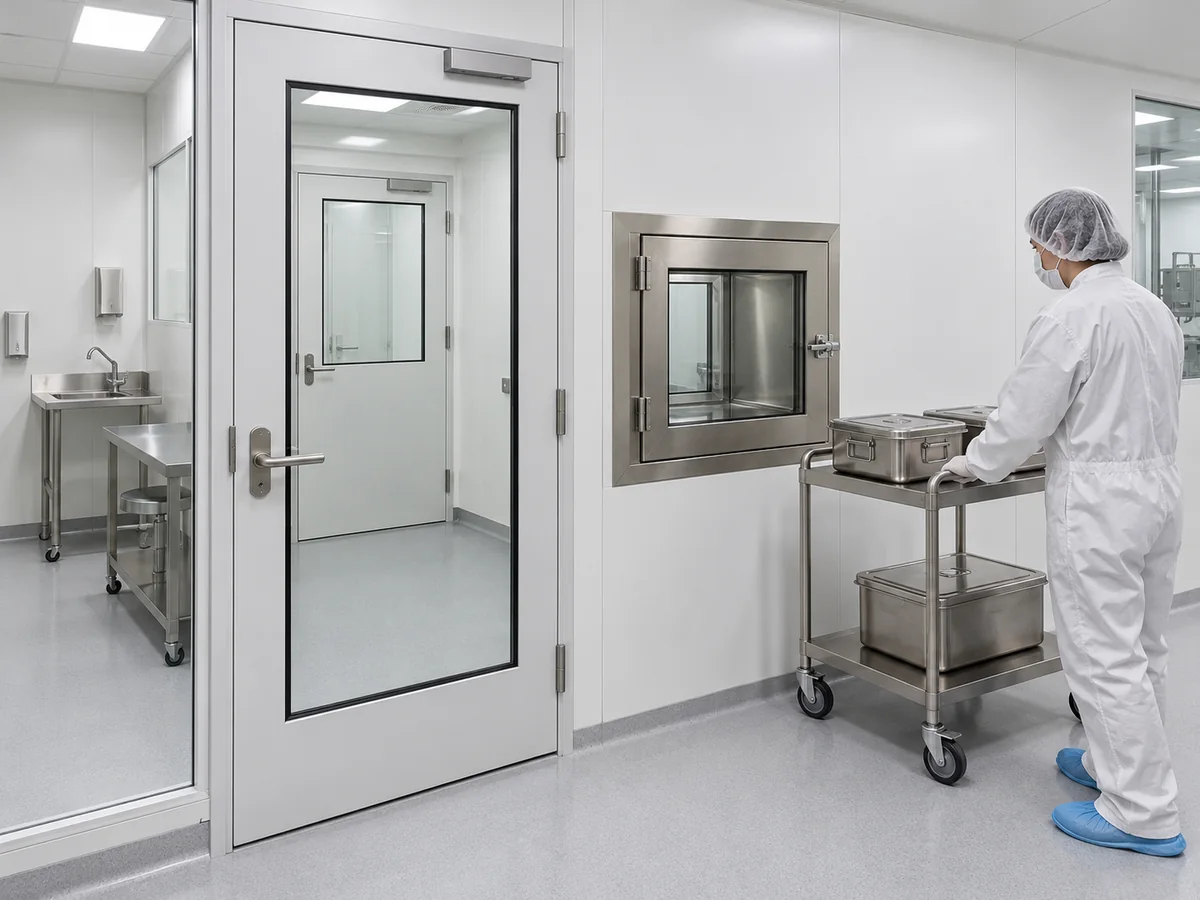
Trace the hardware from receiving and unpacking through assembly, testing, storage and dispatch. Mark where the outer packaging comes off and how large items enter. Specify which covers stay on during each transfer.
| Stage | Interface to Review | Record to Retain |
|---|---|---|
| Receiving / unpacking | Packaging removal and incoming routes | Inspection and approved handling boundary. |
| Assembly / test | Open exposure and equipment access | Activity-specific environmental and surface requirements. |
| Storage / dispatch | Covers, containers and transfer conditions | Packaging plan and customer release records. |
Coordinate room height, door clear openings, removable sections, overhead services and maintenance routes with the hardware envelope. Separate structural loads for tools and handling equipment from the panel design. Confirm any vibration, ESD, temperature or humidity requirements with the equipment and process teams.
For airflow planning, identify supply, returns and potential particle-generating work, then define the operating scenario to be assessed. Do not infer a fixed filter grade, air-change rate or pressure differential from the aerospace label. The room and local equipment requirements may differ.

Before you buy, agree which specifications and room data sheets apply. List the approved material and opening schedules, installation inspection records, environmental tests and as-built drawings. Accept the room and release the hardware for cleanliness separately.
Record particle sizes, locations, occupancy or operating state, instruments and acceptance criteria. Additional airflow, temperature, humidity, pressure or ESD checks apply when specified. Surface and molecular assessments need their own methods and responsible specialists.
Send the hardware dimensions, exposure-sensitive activities, adopted contamination plan, room drawings, equipment routes and requested supply boundary. Include material restrictions and the evidence expected for the actual assembly. Review technical resources and the quotation checklist.
Technical references: NASA-STD6016 active standard and scopeNASA Goddard vacuum outgassing databaseNASA-hosted contamination engineering guidanceISO14644-1 scope
Reviewed 30 October 2026. Apply the requirements adopted for the actual product, facility and market.
Workflow Before Specification
Connect the activity, people, materials and services before choosing the enclosure details.
Adapt these topics to the actual workflow and approved project design.
Review component size, handling equipment and the full movement path.
Agree removable sections, frames and support interfaces before manufacture.
Coordinate particle and surface-cleanliness requirements with the project team.
Separate panel enclosure details from independently designed lifting and equipment supports.
Aerospace requirements vary by programme, component and task. Photographs and panel selections do not establish a universal cleanliness class or programme qualification.
Professional Design References
Select the applicable standards, edition and project criteria with the responsible design team. These sources inform engineering decisions; they are not AILV certifications or project test results.
Project-specific cleanliness requirements, contamination-sensitive items, controls, documentation and verification throughout the space-product lifecycle.
Use the contractual edition and project tailoring. The current official revision replaces the 2008 edition. It excludes manned missions and does not address magnetic/electrical/ESD cleanliness or fully cover biocontamination.Design, material selection, precleaning and preservation of cleanliness through assembly, testing, storage and transport.
A space-optical technical practice; not a universal acceptance specification for every aerospace cleanroom.Vacuum outgassing data for candidate flight materials tested using ASTM E595.
Material-screening context for vacuum/spaceflight conditions; not certification of room assemblies or ambient-room emissions.Enclosure & Engineering Interfaces
Materials, interfaces and responsibilities are confirmed for the project.
Coordinate the construction package with the wider engineering scope, equipment interfaces and installation responsibilities agreed for the project.
Lifting equipment, vibration-isolated benches and inspection systems require separate design and supply responsibilities unless included in the agreed scope.
Inclusion, performance and responsibilities must be stated in the project proposal.
Coordinate panel format, facing, core, finish, openings and supports with the room layout.
Explore Panels ↗Plan access, visibility, frames and sealing details around people, materials and equipment.
View the Common System ↗Resolve corners, floor connections and service penetrations with the responsible designers.
Explore Project Planning ↗Aerospace requirements vary by programme, component and task. Photographs and panel selections do not establish a universal cleanliness class or programme qualification.
Product, country and available drawings.
Review the process, rooms and missing inputs.
Agree supply, interfaces and responsibilities.
Review scope, timing and commercial terms.
Let’s Define Your Project
For aerospace cleanroom contractor selection, compare the agreed design, construction, HVAC, utility interfaces, installation and verification scope. Send the project inputs below for a coordinated proposal.
Room plans, process flows and equipment schedules can be sent directly by email.
Engineering Procurement
Provide the hardware envelope, assembly flow, building dimensions, lifting and access requirements, environmental criteria and service schedule. Attach the project contamination-control requirements and state which party supplies equipment, approves materials and accepts the finished facility. This lets quotations use the same engineering scope.
No. Room airborne-particle classification and hardware surface contamination are different acceptance questions. Specify the sensitive surfaces, permitted contamination and inspection or monitoring method in the project documentation. ECSS-Q-ST-70-01C Rev.1 provides a framework when that standard is adopted by the project.
Agree the requirements specification, control plan, verification evidence and responsible parties at procurement. The adopted project standard and contract determine the actual deliverables; a general cleanroom construction quotation should not silently include mission-level hardware approval.
Use published vacuum-outgassing data as screening evidence, then review the actual formulation, cure, application and operating environment with the project materials authority. NASA's database concerns vacuum testing of candidate flight materials; a database entry alone does not certify an AILV panel, sealant or installed room.
Choose each optional purpose separately. Both start off unless you previously allowed that purpose. Your inquiry works either way.
Your name, email, phone number, message and drawings are not sent by these measurement tags. Privacy Policy