Device & Process Brief
Identify the device, exposed-product stages, production sequence and packing method. Define the room requirements with the manufacturer's quality and engineering teams.
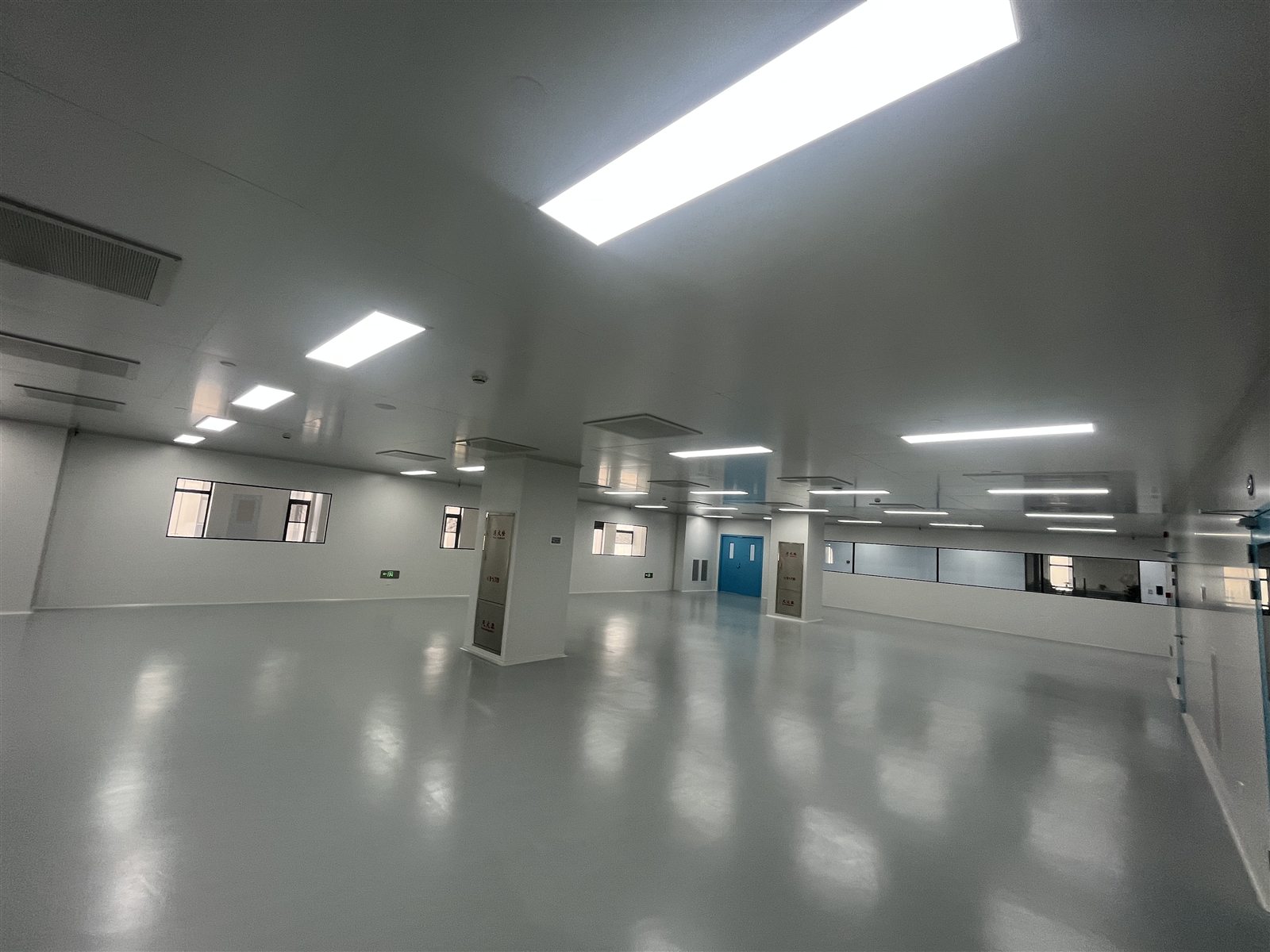
Industry Solutions / Medical Device
Start with the assembly process. Mark where the device is exposed and give the manufacturer’s contamination-control requirements. Ask AILV to identify the rooms, construction, HVAC, utilities, equipment connections and installation in its turnkey quote. Agree which verification records you need. Give each contractor the same room schedule, deliverables and list of responsibilities.
Medical Device / Engineering Procurement
Connect the medical device process and building brief to the six packages below. Use one coordinated room schedule, equipment interface plan and responsibility matrix to compare scope, installation and handover deliverables.
Identify the device, exposed-product stages, production sequence and packing method. Define the room requirements with the manufacturer's quality and engineering teams.
Map personnel, components, finished devices and waste. Coordinate gowning, transfer openings, assembly-to-packing routes and future equipment access.
Coordinate filtration, supply and return paths, pressure relationships, temperature and humidity around the process and equipment loads.
Integrate walls, ceilings, doors, windows and floor junctions with cleaning exposure, maintenance access and the approved opening schedule.
Locate power, compressed air, water, extraction and instrumentation connections. Identify process-equipment and sterilization-system scope separately.
Agree clean construction, installation checks, measurement conditions, as-built drawings and the records required for the manufacturer's review and release.
Specify the environment for the actual device and manufacturing step. Airborne particle classification, bioburden control, sterilization validation and the manufacturer's quality system are separate requirements.
Engineering scope in motion
Explore the engineering interfaces before defining the construction and installation package.
Swipe the engineering drawing horizontally to review all four stages.
Define receipt, preparation and transfer of materials before the exposed-device stage.
Conceptual coordination diagram, not measured performance. Conceptual coordination sequence; the approved device process and risk assessment determine the room layout and environmental criteria. Final system configuration and acceptance criteria depend on the agreed project brief.
Photographs & Project Interfaces
Review the photographs and stated scope, then define what your facility needs. Project-specific environmental results and acceptance documents must be reviewed separately.
Published Project Reference
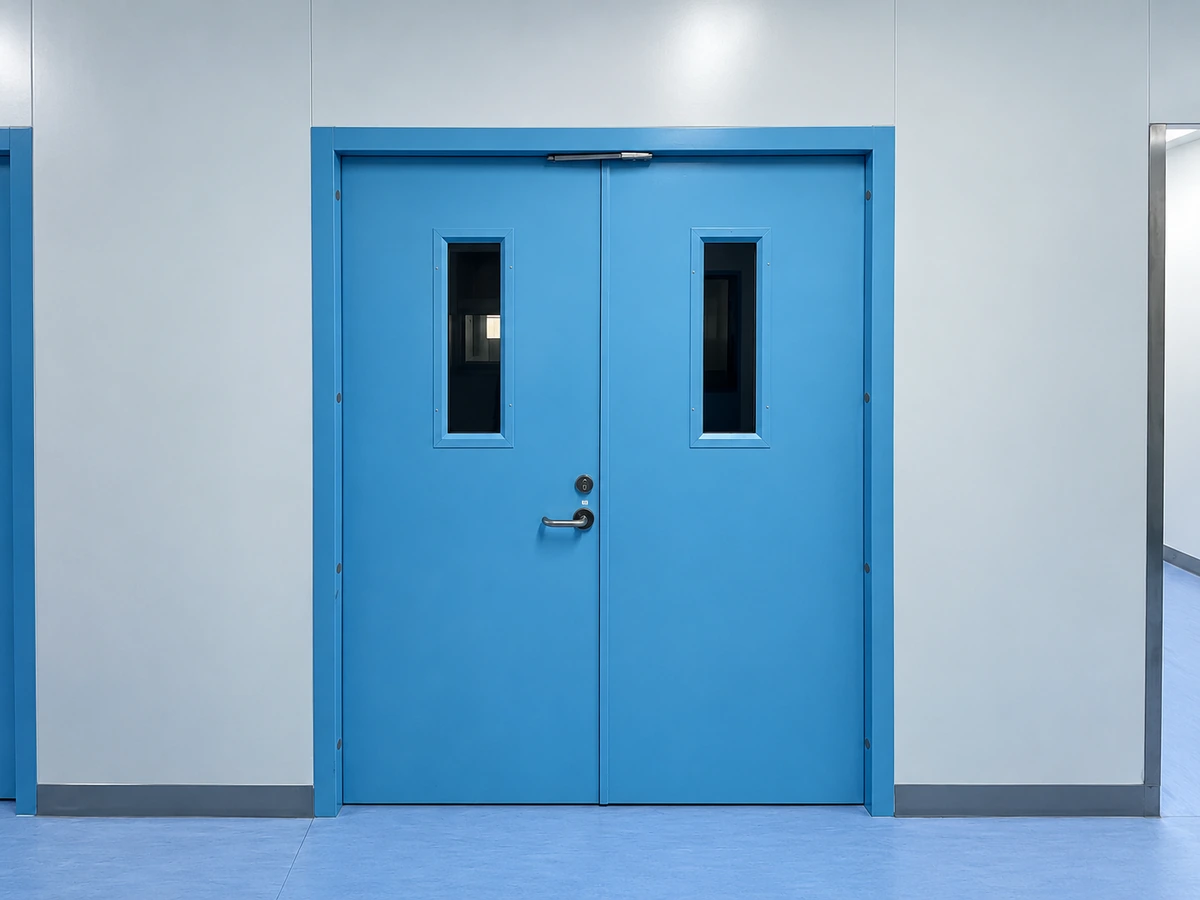
Confirmed scope includes cleanroom panels, doors and windows, together with installation and EPC delivery.
Published Project Reference
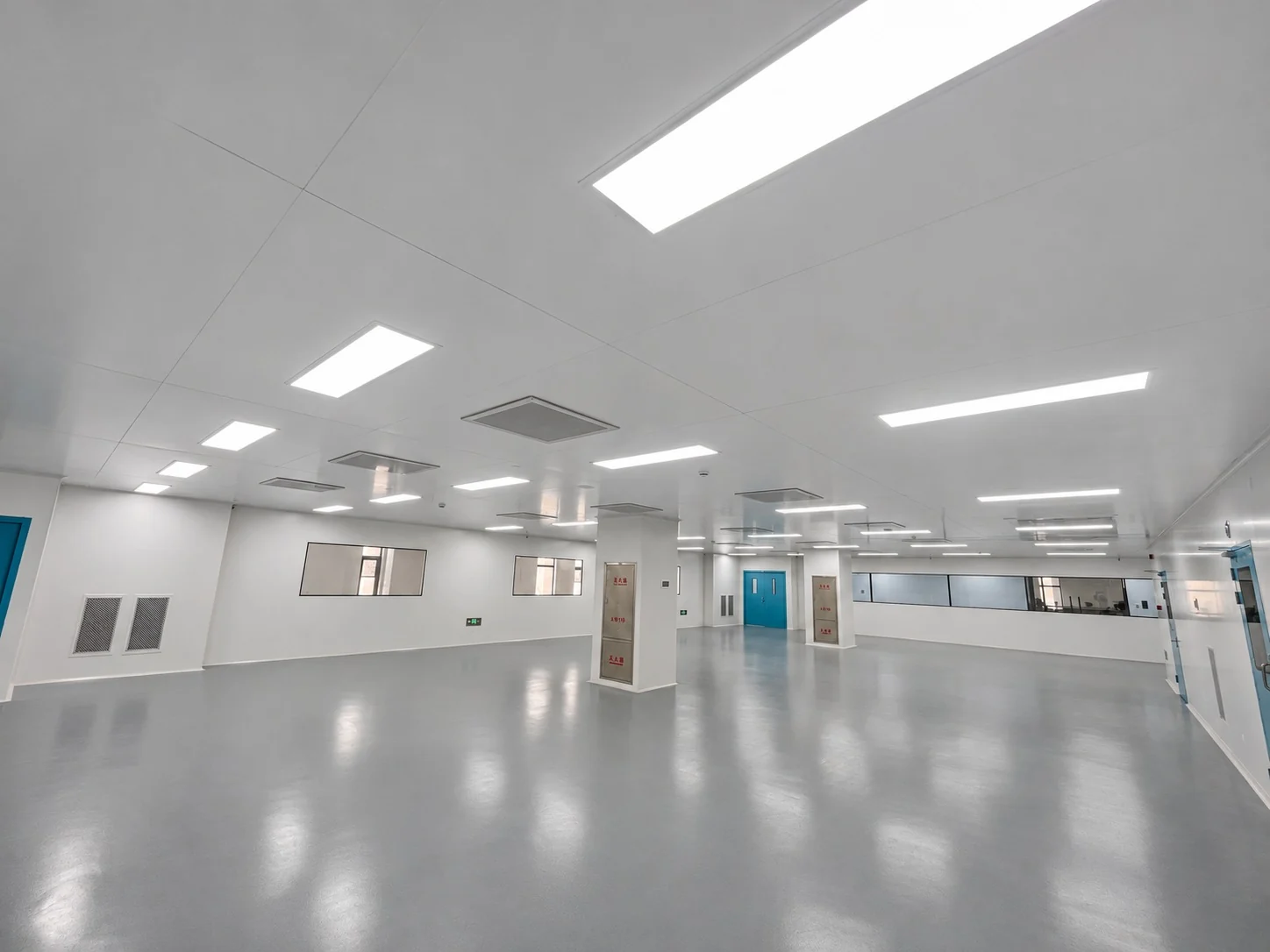
Turnkey cardiac-stent cleanroom delivery, with room, workstation and washing/service interfaces shown in the photographs.
Your Product & Process
Start with your product, process and equipment. AILV can coordinate the cleanroom engineering package around the environmental requirements and project responsibilities agreed for your facility.
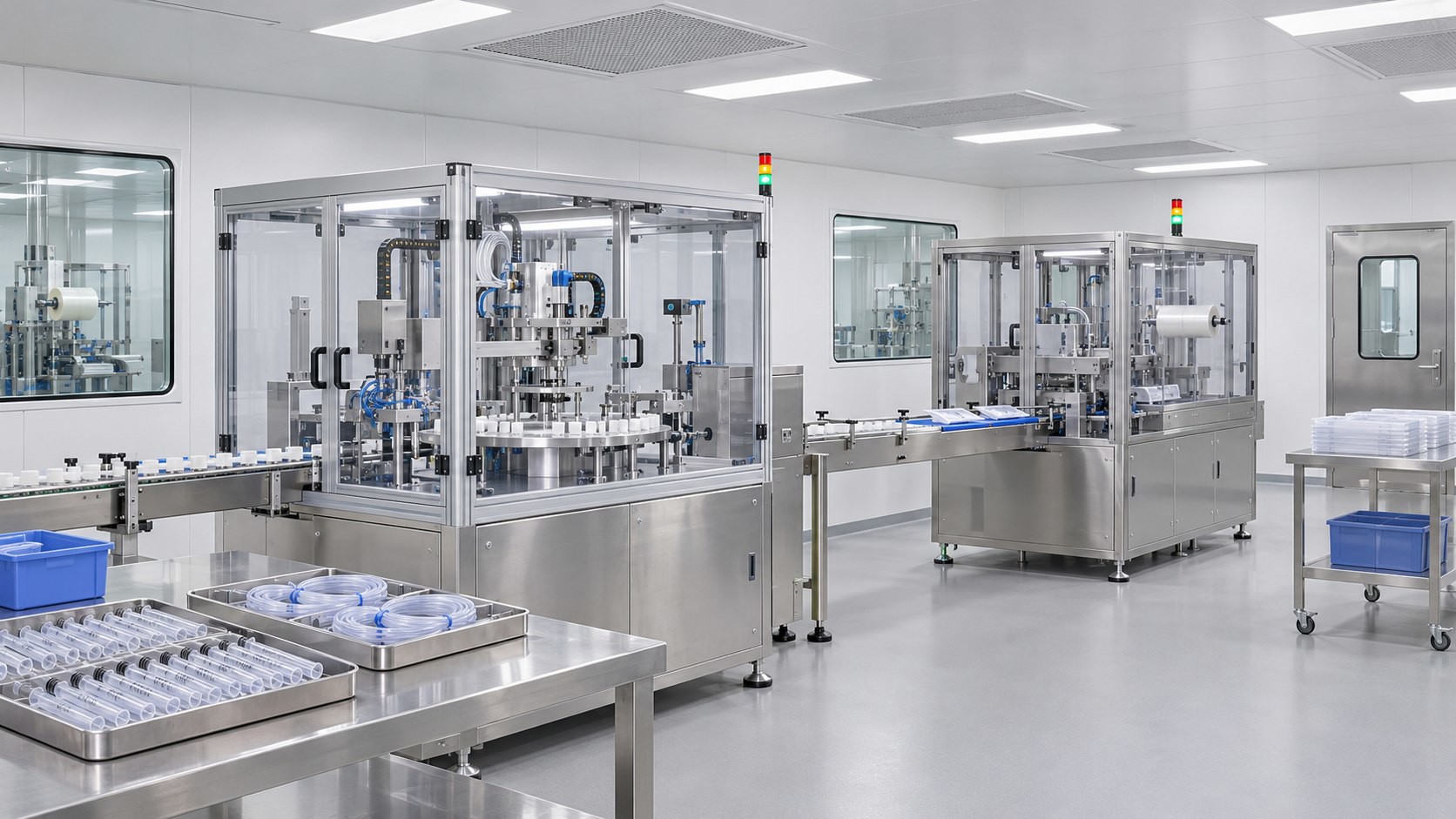
Typical ProcessComponent preparation, assembly, inspection and packing for catheters, syringes or other disposable devices. Identify any bonding, molding or sterilization interfaces in the actual production route.
Cleanroom Engineering ScopePlan personnel and material routes, assembly and packing zones, cleanable room construction, HVAC and equipment utility interfaces. Define the controlled environment around the approved process and separate room installation from device-production and sterilization responsibilities.
Catheter & Tubing RFQShow tube and component storage, joining and inspection stations, equipment clearances, and the route to packing. Include any extraction or utility requirements supplied by the joining equipment vendor.
Blood Tubes, Infusion Sets & SyringesList incoming components, equipment and operator counts. Mark assembly, inspection, cleaning where specified, and primary packaging. Identify any separate sterilization handoff and have the manufacturer confirm the environmental requirements.
Discuss Disposable-Device Engineering ↗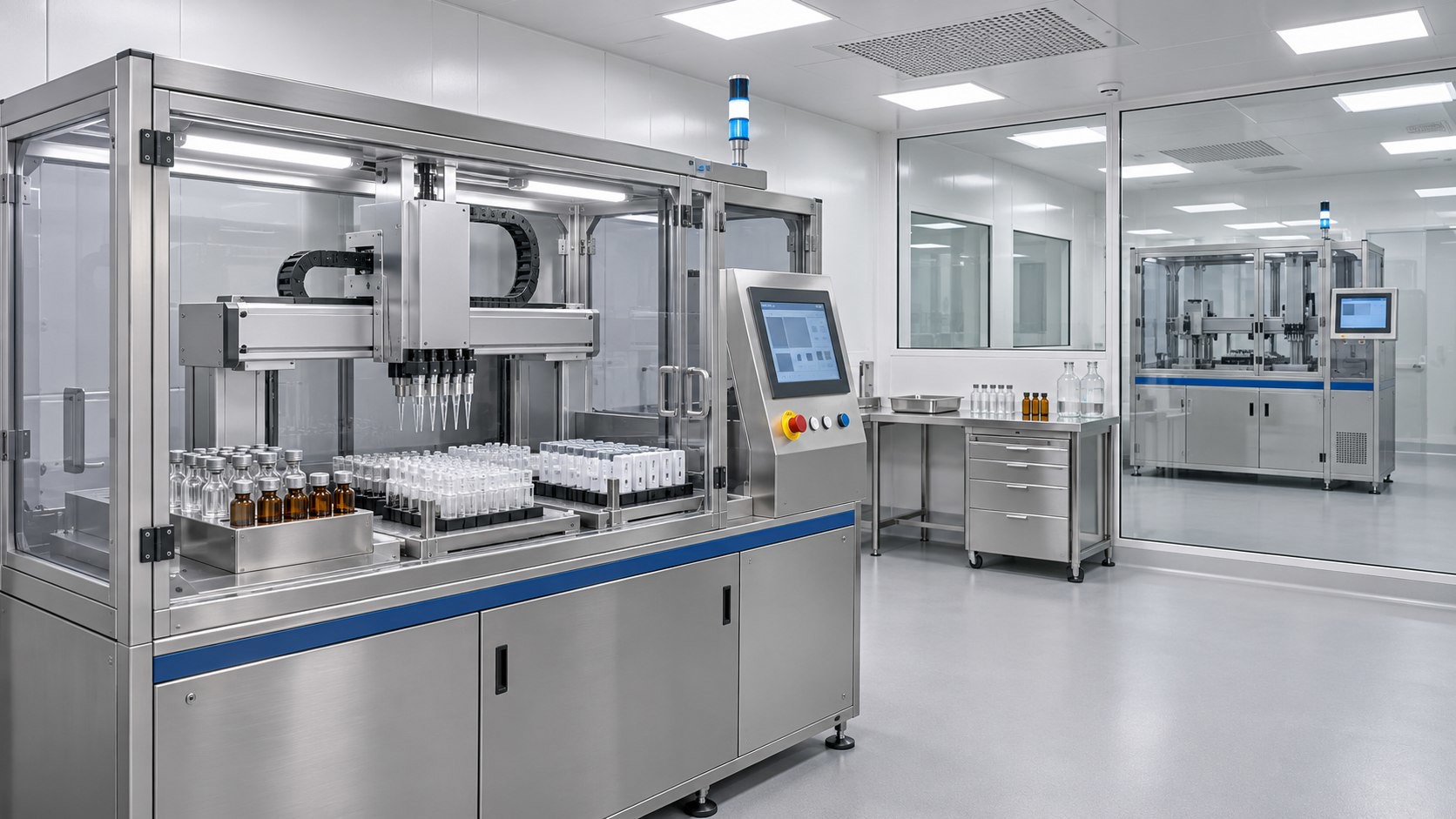
Typical ProcessReagent preparation and dispensing, cartridge or test-kit assembly, inspection and packing, according to the assay platform and product brief.
Cleanroom Engineering ScopeSeparate sensitive reagent and assembly operations where required. Coordinate room zoning, HVAC, specified temperature and humidity, equipment utilities and personnel/material routes against the assay workflow. Confirm any containment, segregation or contamination-control requirements before selecting the room configuration.
Request IVD Cleanroom Engineering ↗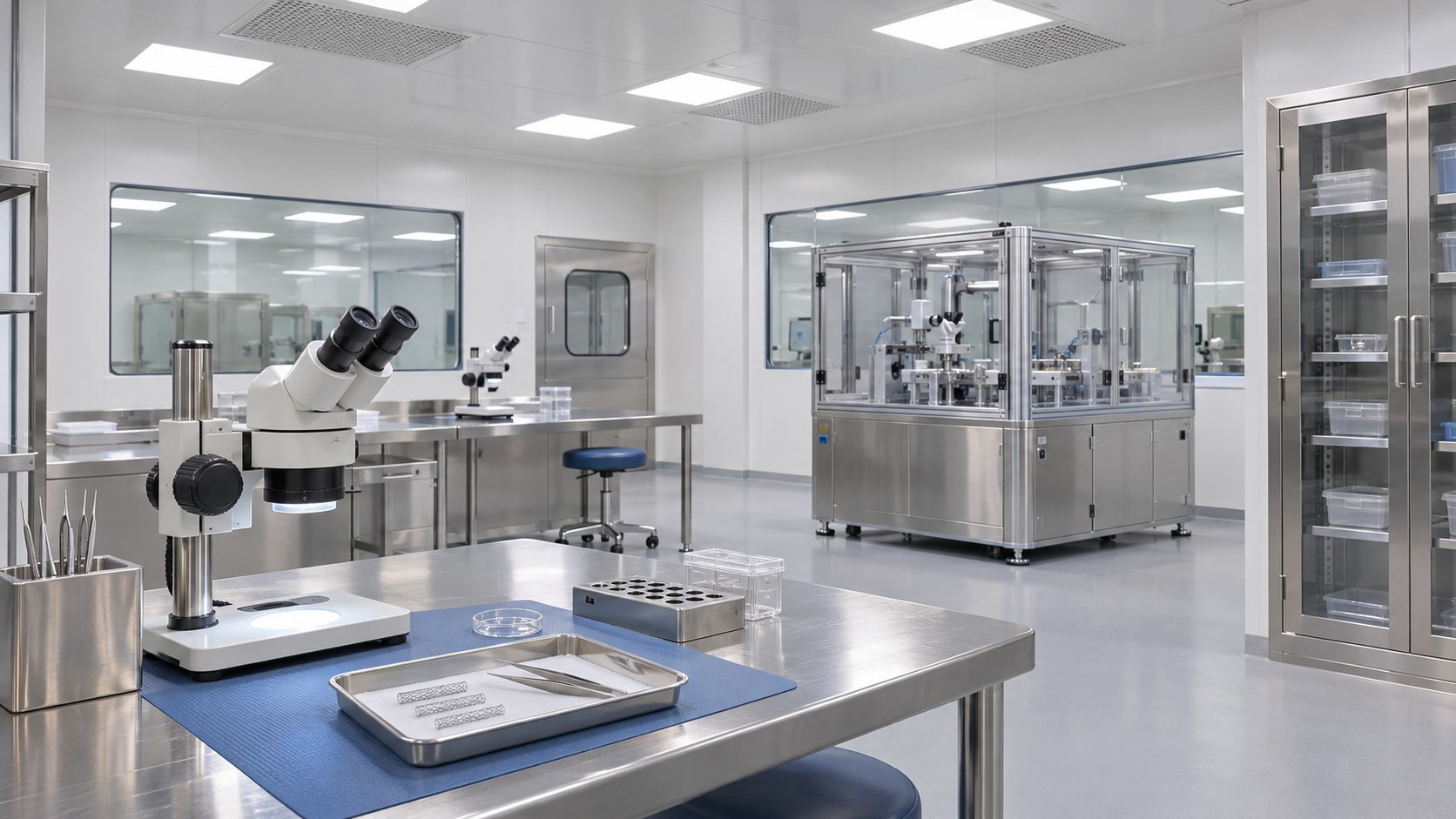
Typical ProcessControlled component handling or assembly, inspection and packing for the specified implant. Confirm the actual manufacturing, cleaning, packaging and sterilization sequence before defining environmental requirements.
Cleanroom Engineering ScopeCoordinate controlled process zones, personnel/material separation, cleanable enclosure details, HVAC and equipment interfaces. Agree the installation and verification-document scope with the manufacturer, including interfaces to product cleaning, inspection, packing and sterilization areas where applicable.
Discuss Implant Cleanroom Engineering ↗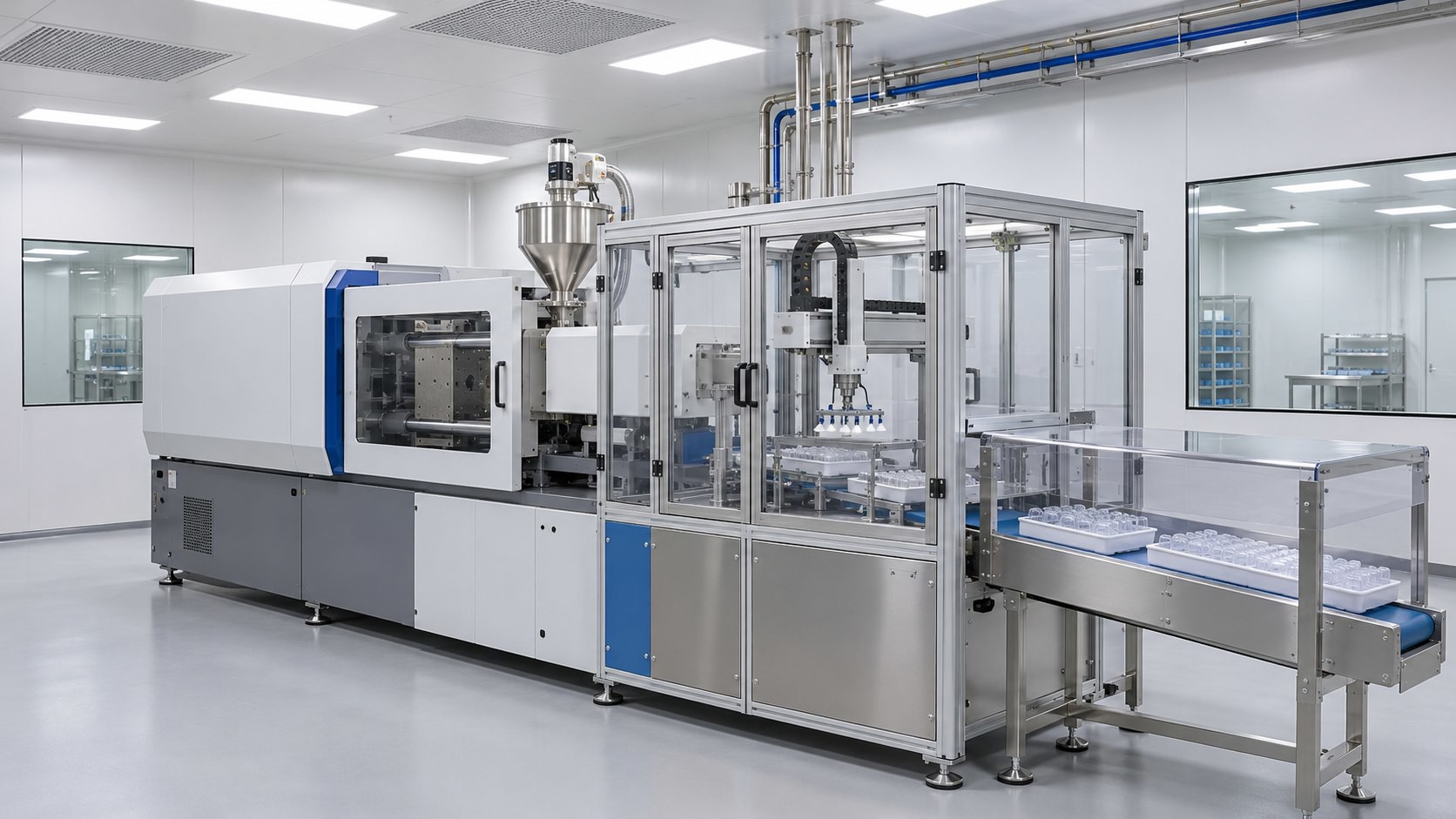
Typical ProcessMolding, controlled part removal and transfer, inspection, secondary assembly and packing, as required by the component and production layout.
Cleanroom Engineering ScopeCoordinate the molding cell or cleanroom docking interface, machine and automation access, heat loads, ventilation, material routes and utility connections. Confirm the equipment supplier's requirements and maintenance access before finalizing room construction and installation scope.
Plan a Molding Cleanroom ↗Select room conditions from the device, reagent or component requirements and the approved process. Process machinery, sterilization and product-validation responsibilities are defined separately from the cleanroom engineering package.
4 Application Areas
Use the room layout to connect work areas, inspection and controlled movement—not just to divide floor space.
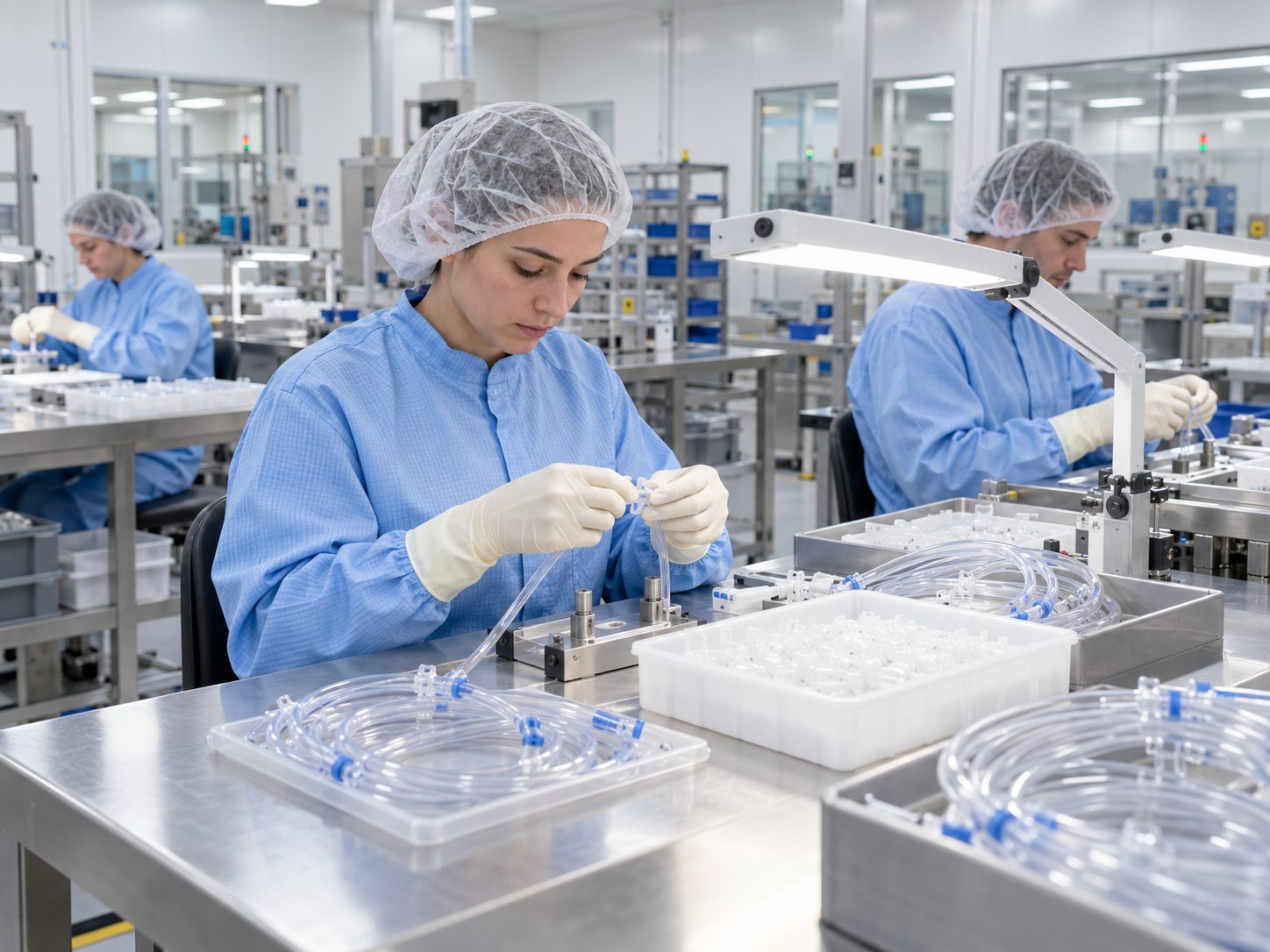
Allow for workstations, equipment access and the required separation between activities.
Discuss This Application ↗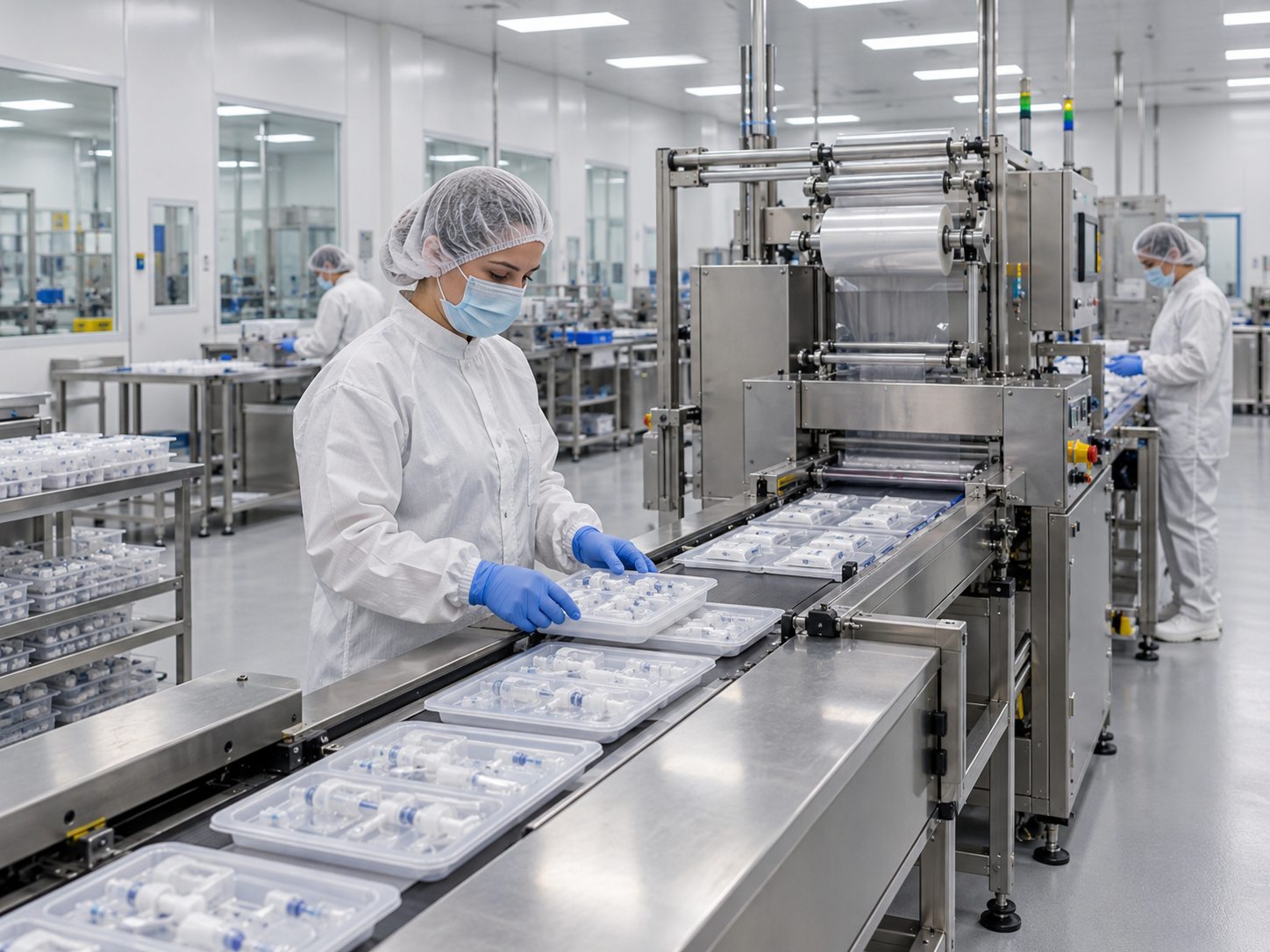
Plan handling and packing spaces around product exposure, material routes and cleaning access.
Discuss This Application ↗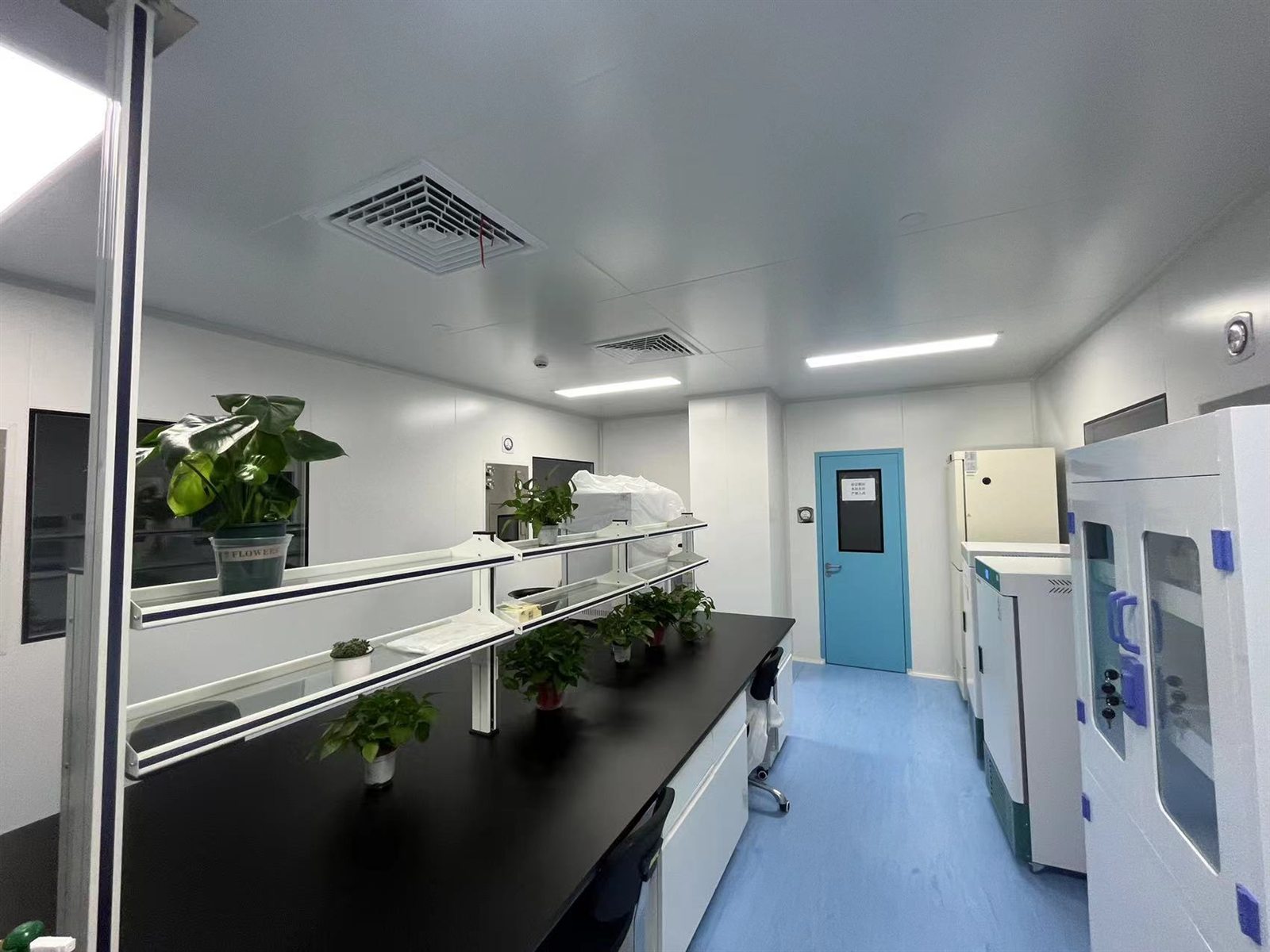
Coordinate testing and support-room interfaces with the production layout.
Discuss This Application ↗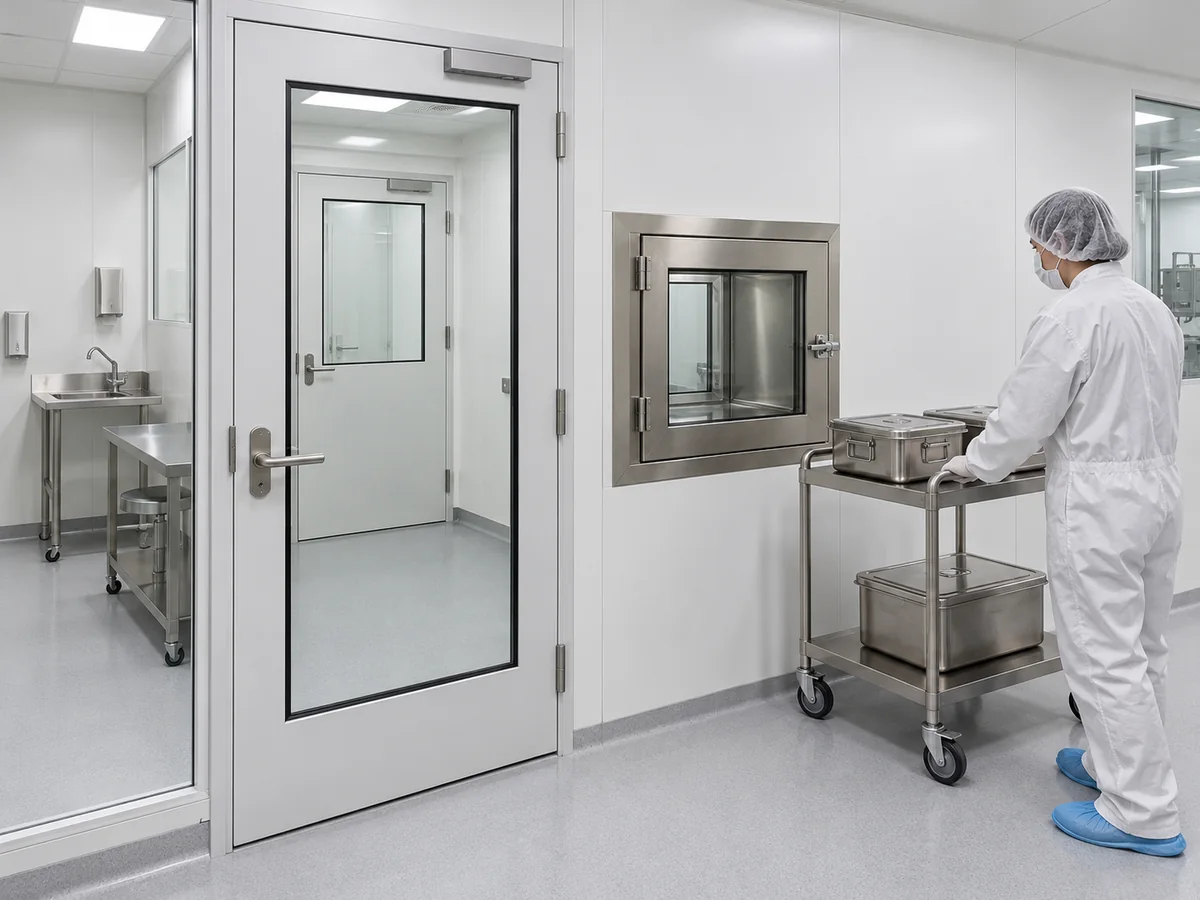
Plan doors, transfer openings and changing or circulation interfaces as part of the route.
Discuss This Application ↗Engineering Decisions & Verification
Identify the device and the steps that expose it. Implant assembly, diagnostics and sterile-barrier packing can need different controls. Use the device manufacturer’s requirements to select the room class and enclosure. AILV makes the enclosure components. The project scope sets K-STONE’s sales and engineering responsibilities.

ISO 13485 concerns the medical-device quality-management system. It does not assign an ISO particle class to every device factory. For the US market, FDA’s QMSR became effective on February 2, 2026 and incorporates ISO 13485:2016. This does not turn a panel supplier’s material document into device approval or a room-classification report.
| Decision | What It Describes | Useful Evidence |
|---|---|---|
| Quality management | The manufacturer’s controlled processes and responsibilities | Applicable QMS records and supplier controls |
| Room environment | Specified airborne or other environmental conditions | Agreed-state measurements and monitoring |
| Device cleanliness | Product-specific contamination requirements | Relevant product or process verification |
| Sterile barrier | Packaging intended to maintain sterility | Applicable packaging and sterilization validation |
Use separate acceptance criteria for these layers. A room can pass a particle test while a packaging process remains unvalidated; a terminal sterilization step does not automatically remove particles, residues or every other contamination concern.
Mark the steps where devices, components or packaging surfaces are exposed. Record the sensitivity of those surfaces, permitted handling, cleaning methods and the point at which the sterile barrier is closed. Identify incoming packaging, work-in-progress, reject handling and personnel changes without assuming that every route needs the same room conditions.
Coordinate workstation layouts with returns, equipment exhaust and material staging. Keep inspection access clear. Review particle shedding, chemical compatibility and cleaning of the complete wall, ceiling, door and seal system. The product range and test-report library support construction matching, not a universal medical-device suitability claim.
ISO 11607-1 addresses packaging intended to maintain the sterility of terminally sterilized devices until use. Keep the packing environment, sterile-barrier materials, sealing process and sterilization method coordinated. The packaging owner defines the required evidence; a clean-looking room is not that evidence.
Define contamination limits from the product and downstream use. Aseptic manufacture needs a dedicated process strategy. Local workstations or barriers may protect operations without imposing one class on the entire factory.
Specify whether the environment is assessed as-built, at rest or during representative operation. Agree sampling locations and activities with the process and quality teams. Use equipment heat loads, exhaust needs and operator positions to review supply and return routes. The target particle concentration does not, by itself, select an air-change rate.
Before fabrication, check ceiling supports, filter access, door swings, transfer openings and service penetrations. Plan maintenance routes around exposed product. Specify ESD controls for each device and workstation, including the finish where required.
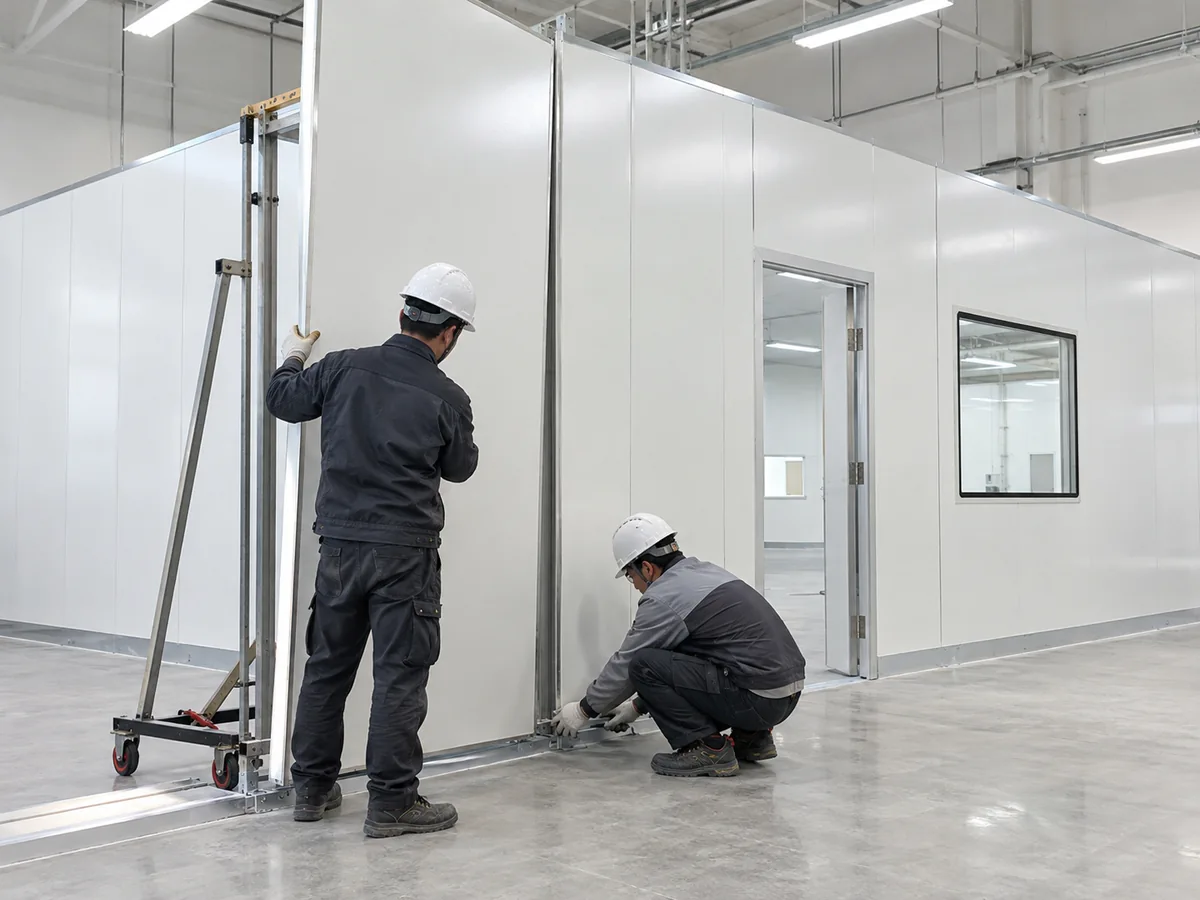
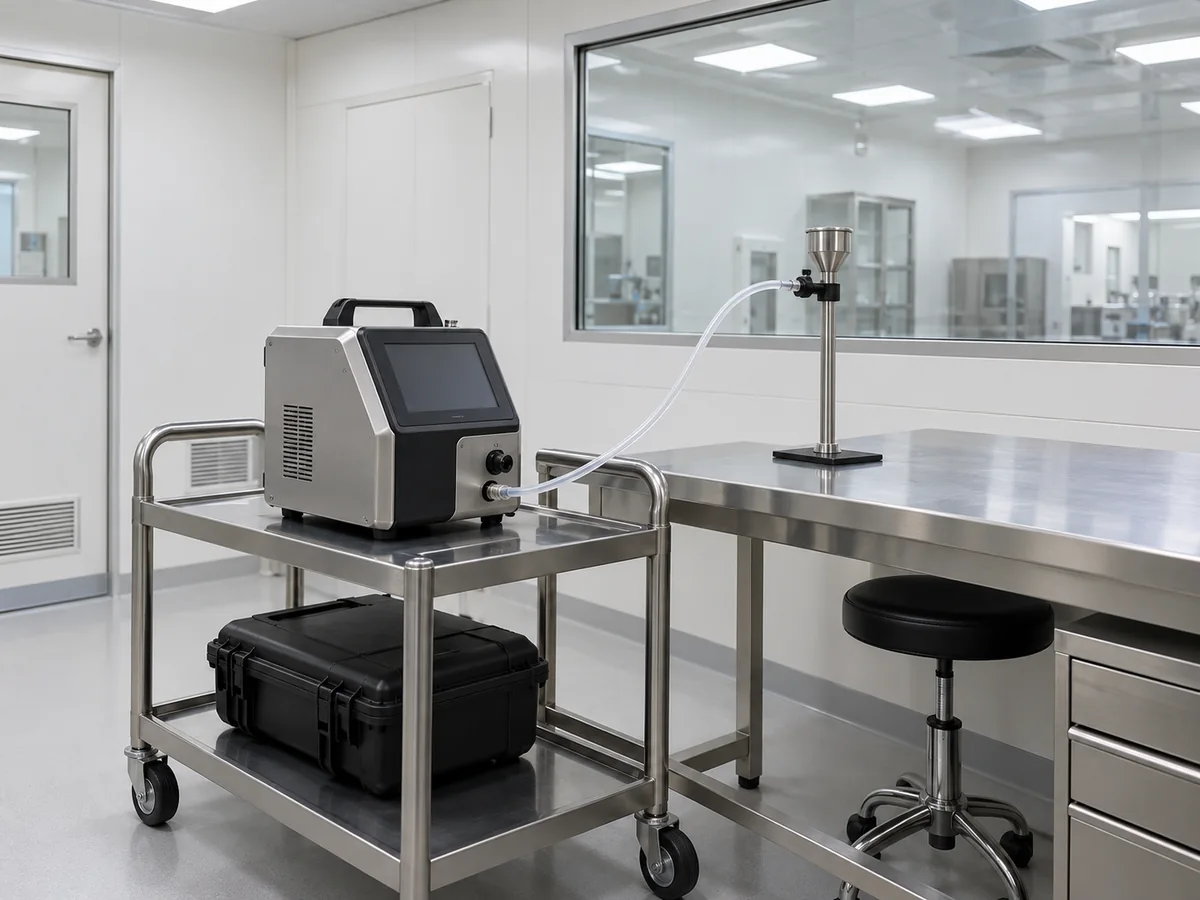
Retain approved room, panel and opening schedules, relevant material records, installation checks and as-builts. Environmental reports identify methods, states, locations, instruments, limits and reviewers. Filter, airflow and pressure checks remain distinct from product bioburden, packaging and sterilization studies.
Plan test access and safe maintenance with the junction reference and installation guide. Name who performs, reviews and accepts each test. Wider engineering, commissioning or qualification support is included when documented in the proposal and contract.
No. One is a quality-management standard; the other describes a particle-concentration class. The device manufacturer specifies and verifies the required environment.
No. Review the contaminants, their effect on the device and the limits of the selected process. Sterility and other cleanliness requirements need their own evidence.
Possibly, where the process assessment and operating controls support it. Review cross-contamination, handling, staging and protection of exposed packaging surfaces.
No. Select a transfer method around material size, frequency, exposure and the room strategy. Define interlocks or cleaning procedures where they are required.
Provide the process flow, room layout, target conditions, equipment and door schedule, cleaning methods, packaging route and required supply responsibilities.
Bring the device’s process brief to the enclosure review so that the construction and verification package can be defined together.
Discuss the Medical-Device ScopeWorkflow Before Specification
Connect the activity, people, materials and services before choosing the enclosure details.
Adapt these topics to the actual workflow and approved project design.
Match room and cleaning requirements to how the device is handled.
Coordinate incoming components, personnel and packed-product movement.
Confirm the environmental targets and operating state with the project team.
Agree door sizes, transfer points and service penetrations before manufacture.
A cleanroom panel does not certify a medical device, establish sterility or determine a universal room class. Device and process requirements must guide the facility design and verification.
Professional Design References
Select the applicable standards, edition and project criteria with the responsible design team. These sources inform engineering decisions; they are not AILV certifications or project test results.
The FDA QMSR took effect on 2 February 2026 and incorporates ISO 13485:2016 for manufacturers within its scope. Treat the quality-system obligations as a separate input to the facility brief.
US device regulatory scope; not a cleanroom-class prescription or AILV certification.Specify particle classification separately from microbial contamination and sterilization requirements. A particle class does not characterize the viable or chemical nature of particles.
Public scope only; no proprietary class table reproduced or automatic project qualification asserted.Use a defined requirements, design, construction and start-up process, including maintainability and agreed verification. The standard does not prescribe one contractual delivery model.
Design-process guidance; statutory safety and device-specific obligations still require separate review.Enclosure & Engineering Interfaces
Materials, interfaces and responsibilities are confirmed for the project.
Coordinate the construction package with the wider engineering scope, equipment interfaces and installation responsibilities agreed for the project.
Assembly tools, inspection instruments and sterilization systems are separate specifications unless expressly included in the agreed project scope.
Inclusion, performance and responsibilities must be stated in the project proposal.
Coordinate panel format, facing, core, finish, openings and supports with the room layout.
Explore Panels ↗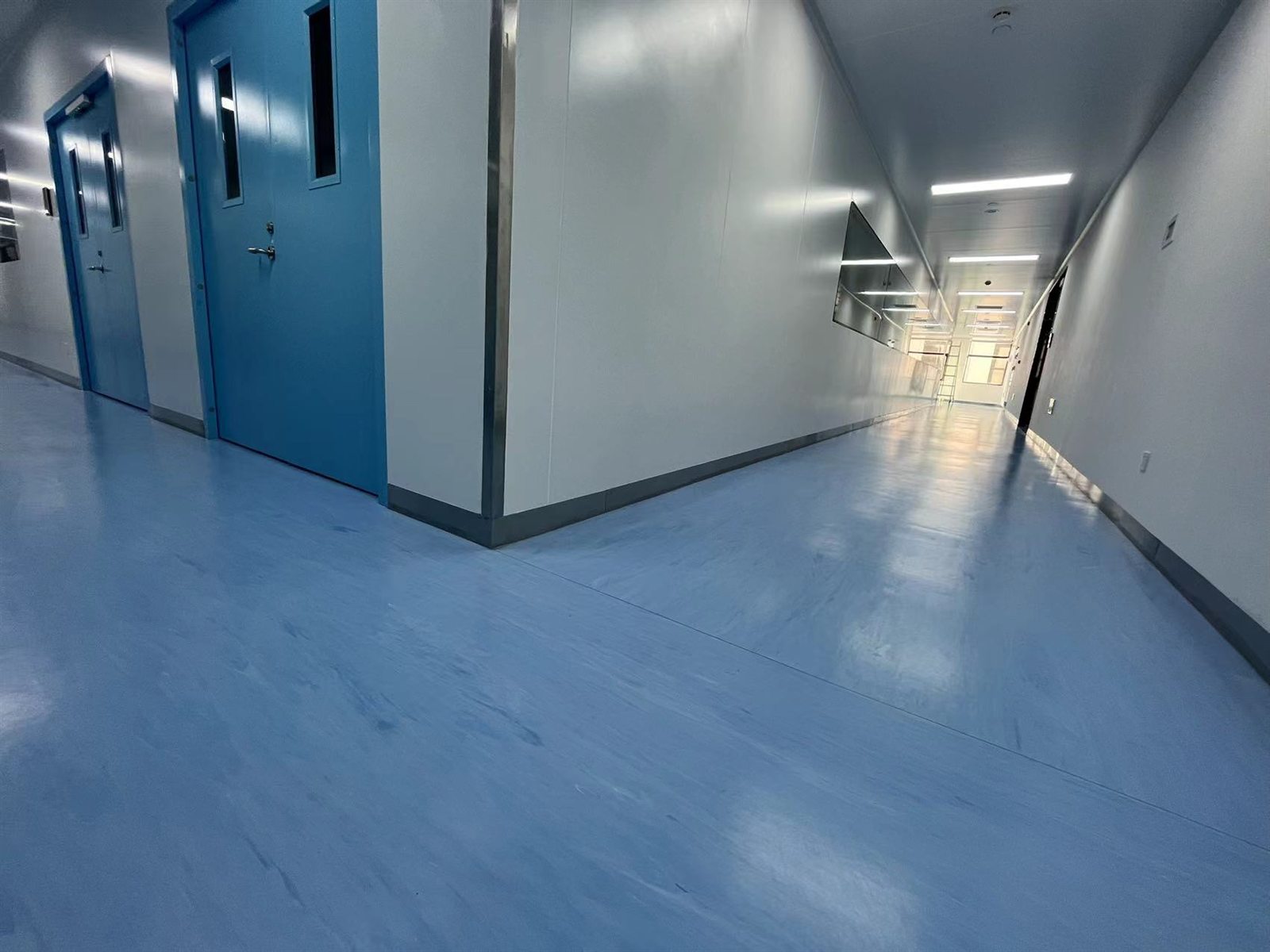
Plan access, visibility, frames and sealing details around people, materials and equipment.
View the Common System ↗Resolve corners, floor connections and service penetrations with the responsible designers.
Explore Project Planning ↗A cleanroom panel does not certify a medical device, establish sterility or determine a universal room class. Device and process requirements must guide the facility design and verification.
Review your process, room plan, equipment and environmental brief. List missing inputs or conflicting requirements for clarification before confirming the design basis.
Identify the proposed room construction, HVAC, utilities, installation and verification records. Confirm boundaries between AILV, the owner, process-equipment suppliers and other contractors.
Discuss layout and interface considerations, configuration options and assumptions requiring agreement. The level of engineering detail follows the available information and the agreed project stage.
Build the quotation around the agreed scope, inclusions, exclusions, responsibilities and commercial basis. Resolve outstanding inputs before confirming a firm scope and price.
Let’s Define Your Project
Send the product details, process, drawings and equipment information you have. We review open questions with you and agree who will deliver each part. We then provide preliminary layout or interface comments and an itemized quote for that scope.
Room plans, process flows and equipment schedules can be sent directly by email.
Engineering Procurement
Ask for medical device cleanroom design and build scope covering layout, room construction, HVAC, utilities, equipment interfaces, installation and agreed test records. Identify the process-equipment, sterilization, local approvals and manufacturer-release responsibilities so that quotations use the same boundaries.
A quality-management-system requirement is not a universal room particle class. FDA's QMSR incorporates ISO 13485:2016 for the manufacturers within its scope. Define room conditions separately from the device, exposure and contamination risks; ISO 14644-1 classifies airborne particle concentration and does not establish product sterility.
Define the exposed-device stages and approved packaging sequence, then map personnel, component, finished-device and waste routes. Coordinate transfer openings, pressure boundaries and equipment access against that process rather than assuming assembly and packing must share one room specification.
Agree the approved drawings, room and equipment schedules, installation inspections, system checks and measured environmental records before work starts. State particle sizes, occupancy conditions and acceptance criteria where classification is required. The manufacturer retains responsibility for its quality-system and production-release decisions.
Identify the reagent or assay platform, preparation and dispensing steps, cartridge or test-kit assembly, inspection and packing. Include equipment, personnel and material routes, specified temperature and humidity, and any segregation or containment requirements. Define the environment for the actual product and process before selecting a cleanroom configuration.
AILV first reviews your product, process, available drawings, equipment and environmental requirements, and identifies missing information. The next steps are to agree the engineering scope and responsibilities, discuss preliminary layout or system-interface considerations, and prepare an itemized quotation on the agreed basis. The depth of design, installation scope and verification records are confirmed for the project; a complete detailed design is not implied by the initial inquiry.
Choose each optional purpose separately. Both start off unless you previously allowed that purpose. Your inquiry works either way.
Your name, email, phone number, message and drawings are not sent by these measurement tags. Privacy Policy