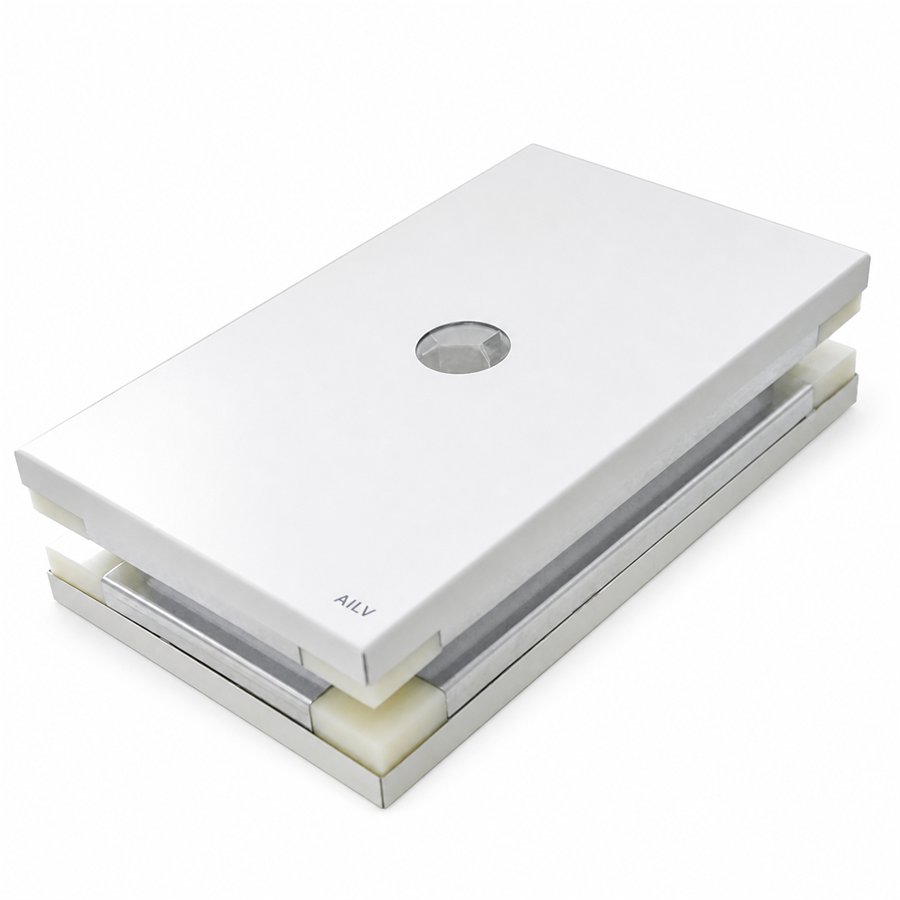
There is no universal best cleanroom panel core; rock wool, PU/PIR and honeycomb options serve different fire, insulation, weight, span and cost priorities.

Key Points
- Rock wool is often evaluated for mineral-fibre core behaviour, acoustics and project fire strategy.
- PU/PIR cores are often evaluated for thermal insulation and low weight, subject to the required fire documentation.
- Paper or aluminium honeycomb cores may be evaluated for weight and stiffness in suitable dry interior applications.
- Compare complete panel assemblies, not core names alone.
Quick Reference
| Decision Stage | Recommended Action | Output |
|---|---|---|
| Define | Record the process, room conditions and governing requirements | User requirement or project brief |
| Compare | Review complete panel constructions and interfaces | Shortlisted technical options |
| Verify | Check drawings, samples and applicable documents | Approved quotation and submittal |
| Deliver | Coordinate packing, installation and inspection | Traceable project records |
How AILV Uses This Information
AILV reviews the application, environment, dimensions, interfaces, documentation needs and destination before confirming a panel construction or project scope. Website guidance does not replace approved drawings, specifications or local engineering review.
Frequently Asked Questions
Which core has the best fire performance?
Use the project fire strategy and test evidence for the complete proposed assembly. A generic core label is not enough.
Which core is best for cold areas?
Thermal performance, vapour control, joints and temperature range must be reviewed together; PU/PIR may be considered but must meet project safety requirements.
Discuss Your Cleanroom Panel Inquiry
Send the application, room dimensions, target environmental conditions, preferred panel construction and project schedule to albert@ailvtech.com. Phone/WhatsApp: +8617300630130.