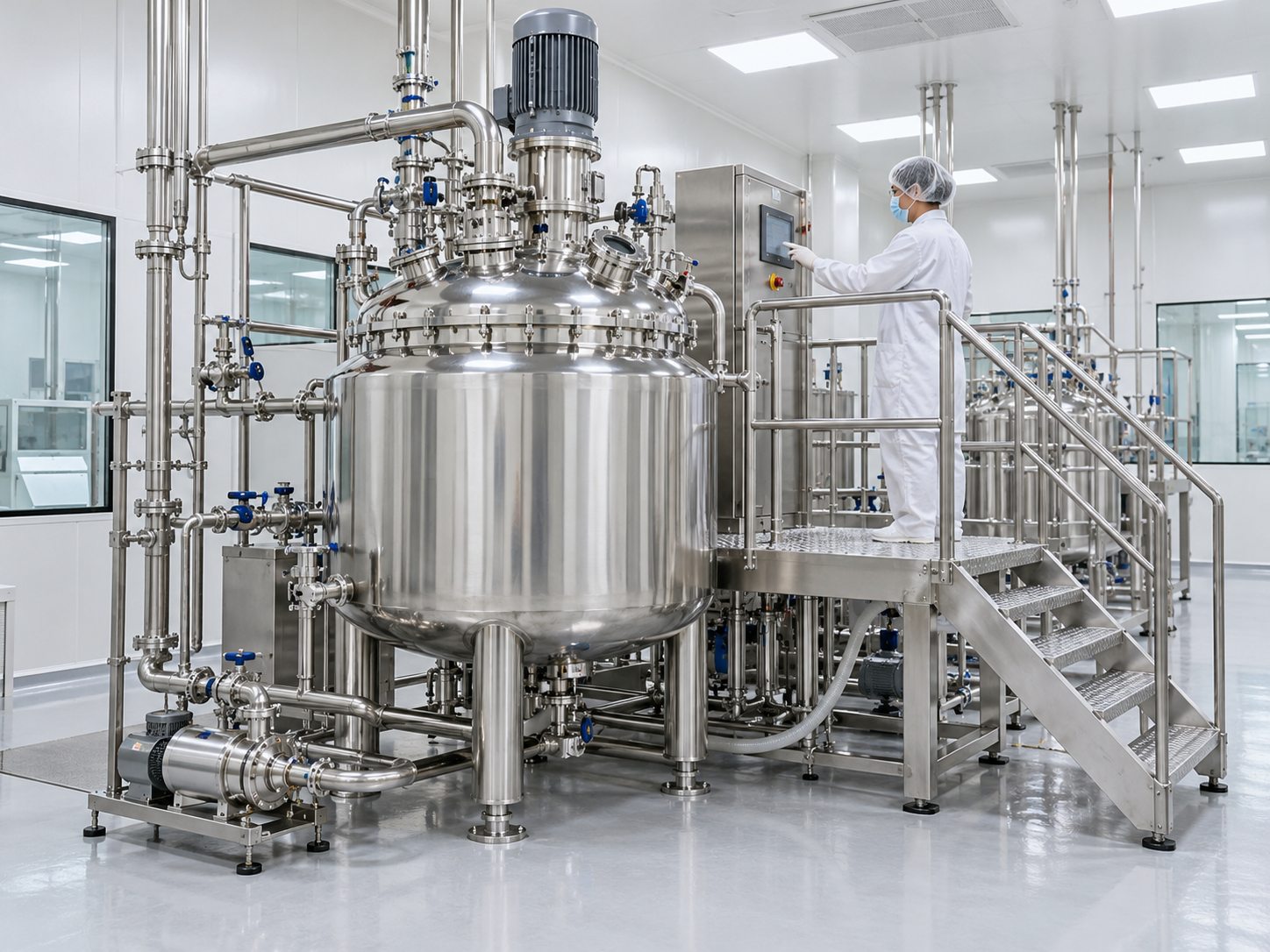
Creams & Lotions
Preparation, emulsification, bulk holding and filling areas for skin-care creams and lotions.
Discuss This Application ↗
Industry Solutions / Cosmetics & Personal Care
Cosmetics factory cleanroom panels, ceilings, doors and windows for preparation, mixing, filling and packing rooms. Choose the enclosure around the formula, cleaning regime and process-specific hygiene needs.
6 Application Areas
Start with what you make. Water exposure, powders, ingredients and filling methods create different room-design priorities.
Preparation, emulsification, bulk holding and filling areas for skin-care creams and lotions.
Discuss This Application ↗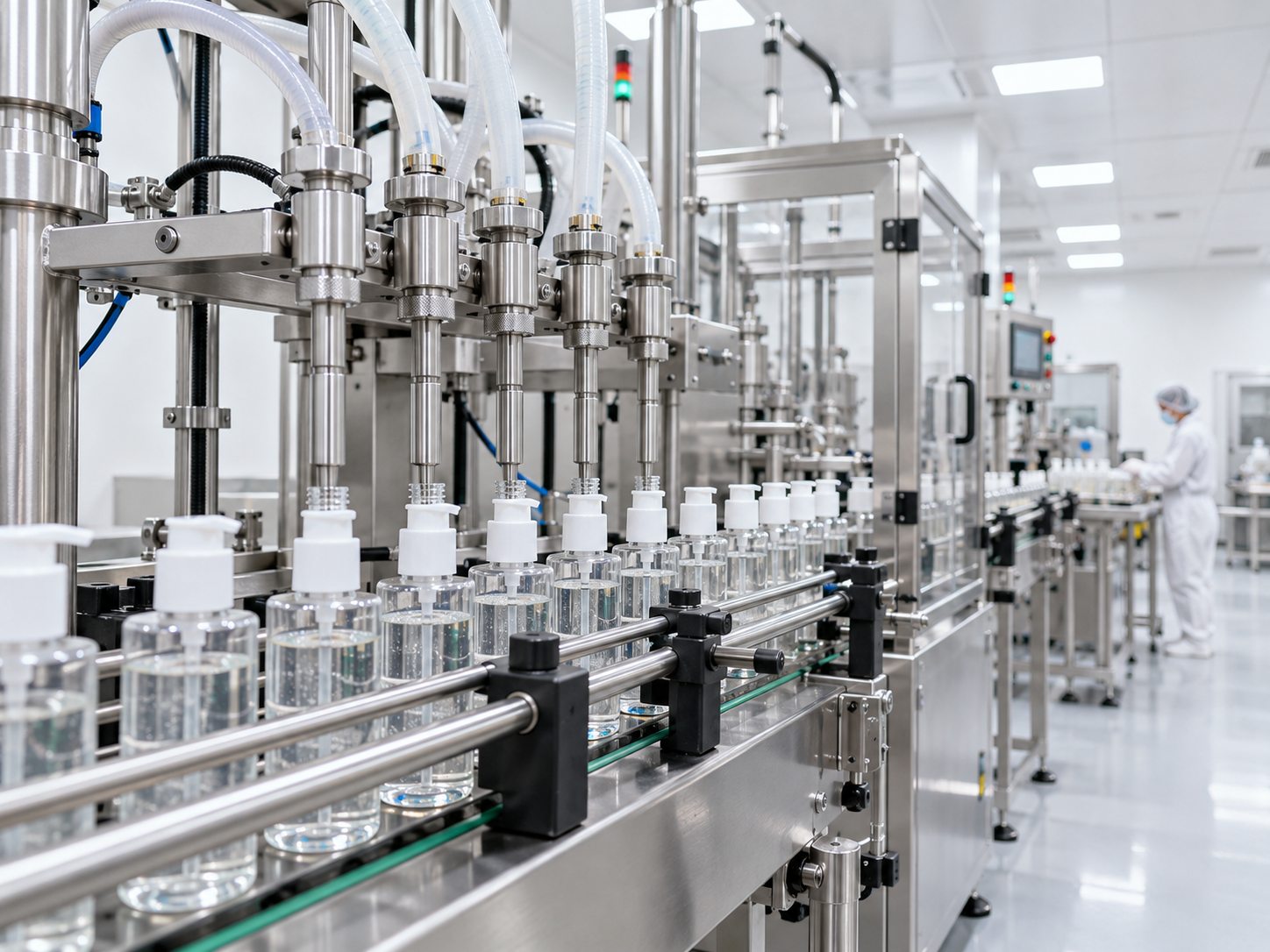
Blending, transfer and filling areas for liquid skin-care products.
Discuss This Application ↗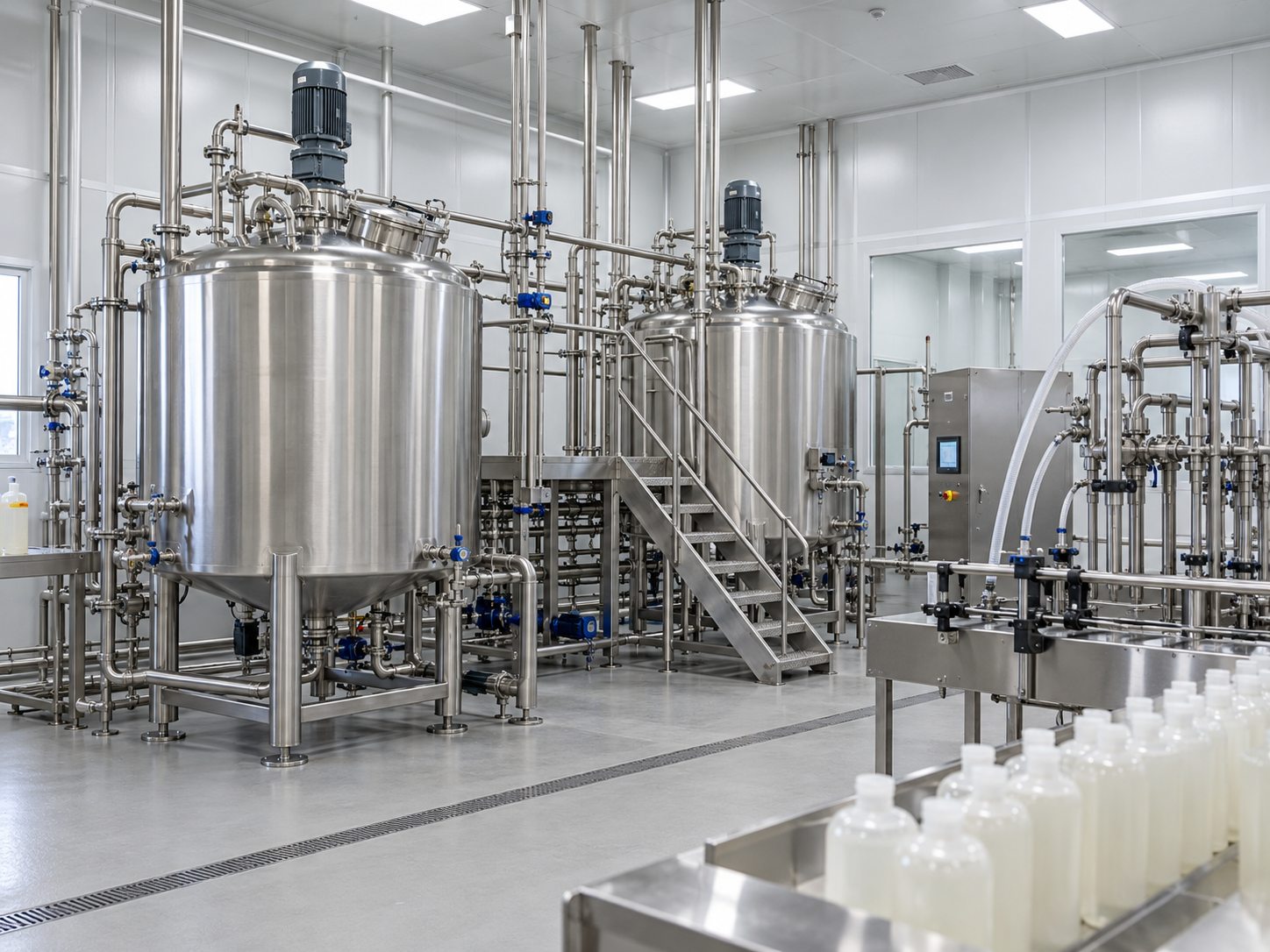
Mixing and filling areas for shampoos, body washes and related personal-care products.
Discuss This Application ↗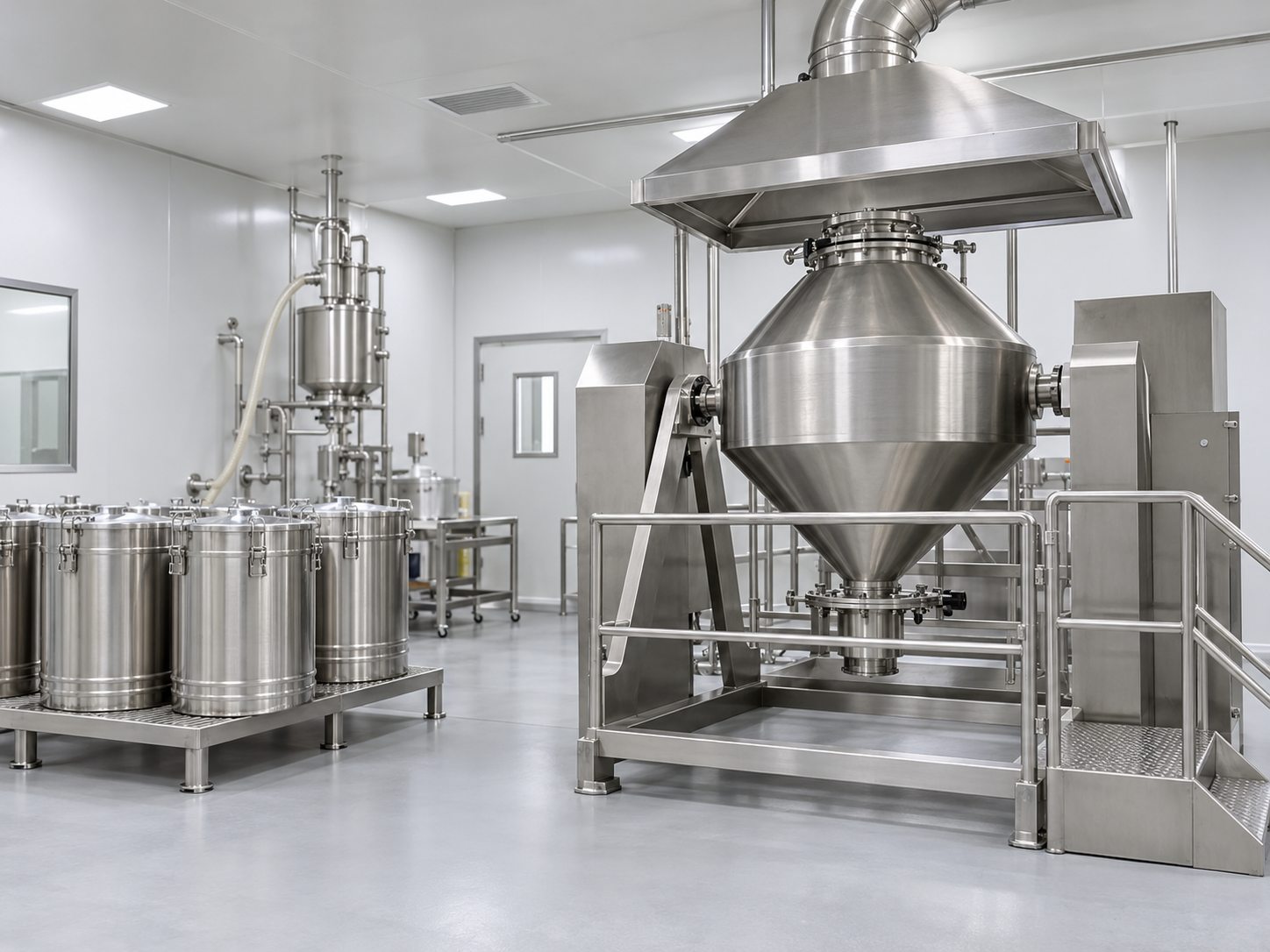
Weighing, blending and packing areas with attention to dust, ingredients and cross-contamination.
Discuss This Application ↗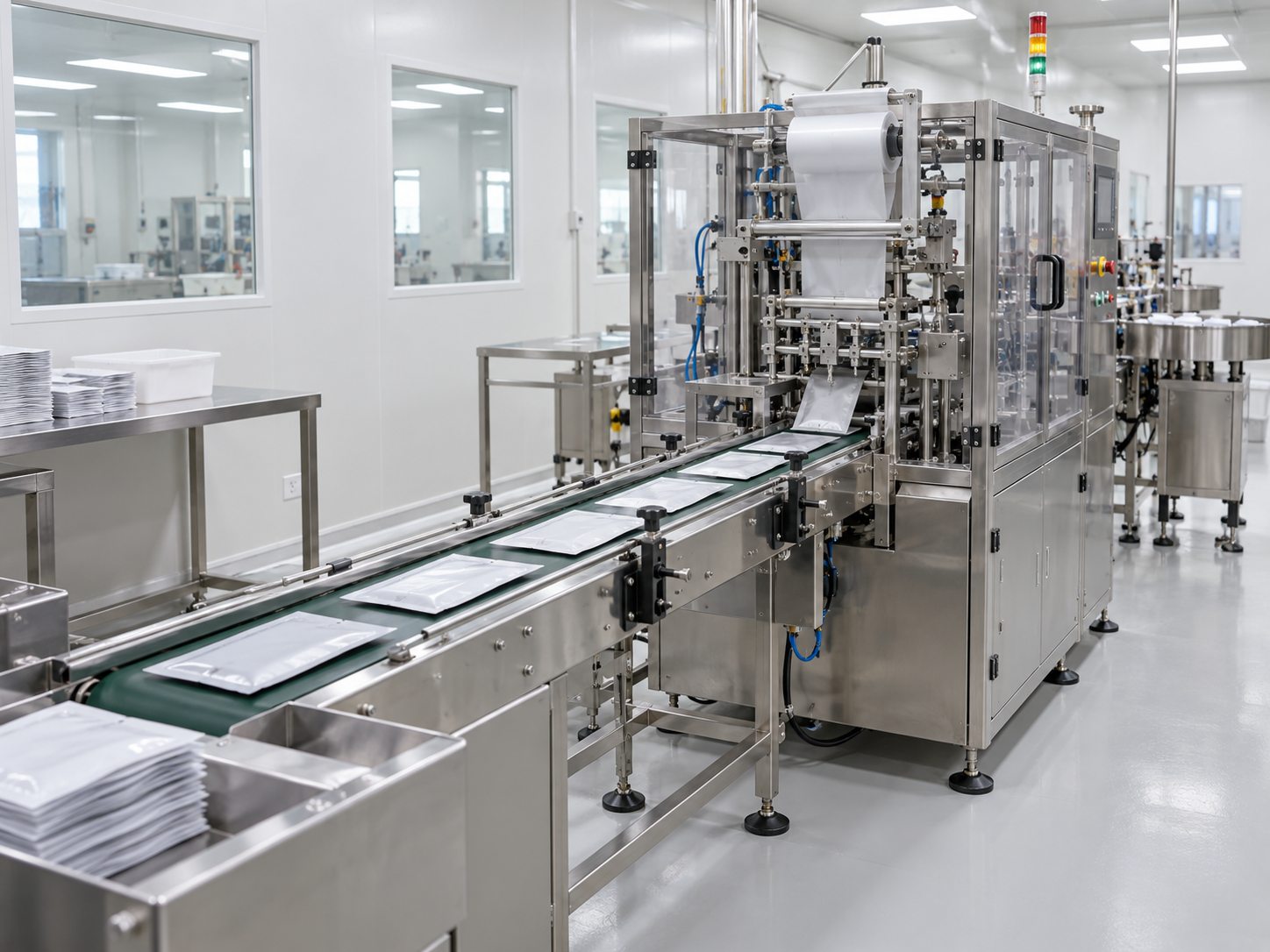
Preparation, filling and sealing areas for sheet-mask and sachet-format products.
Discuss This Application ↗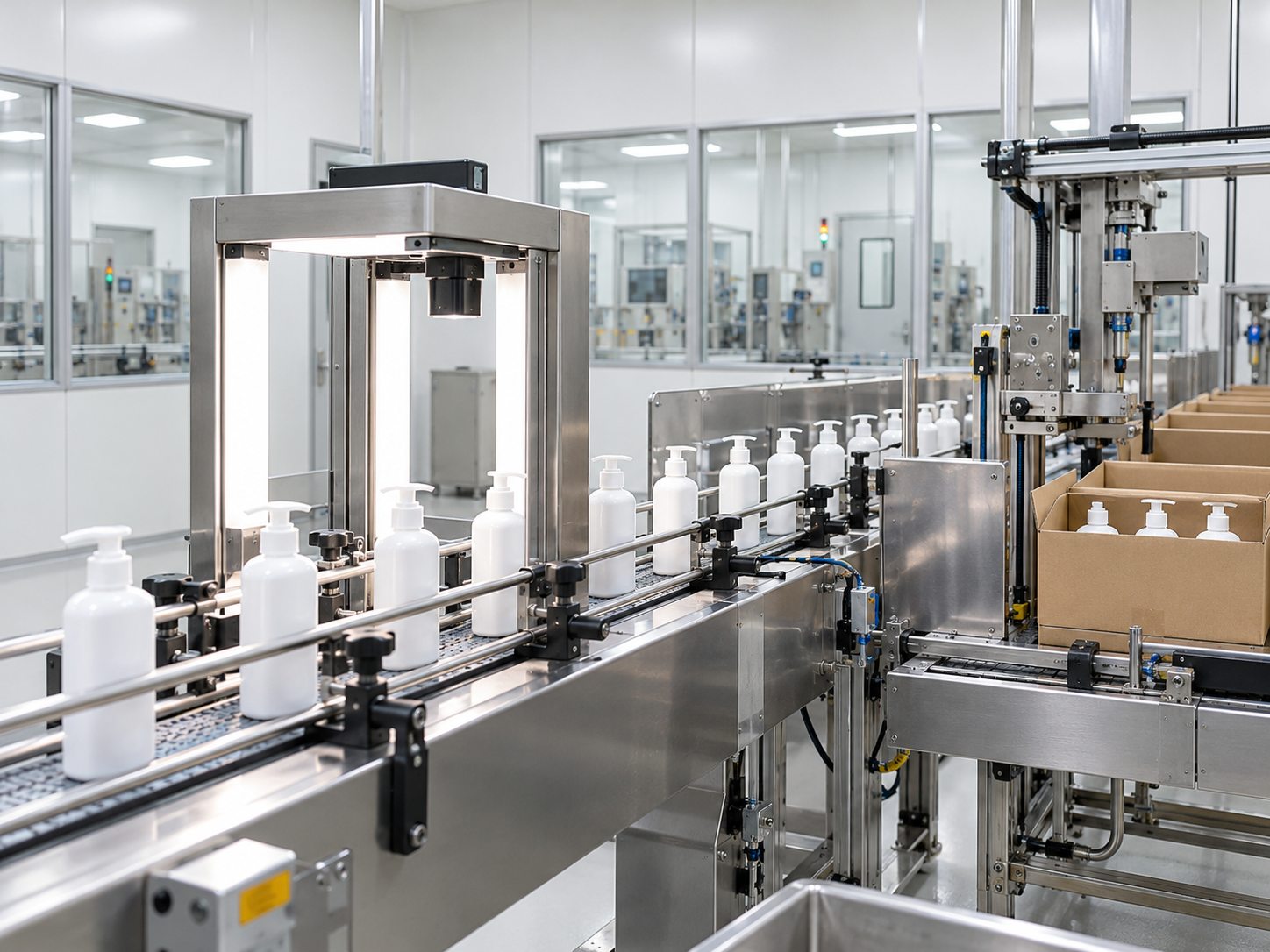
Coordinate product exposure, container flow, inspection and packing-room relationships.
Discuss This Application ↗Workflow Before Specification
Connect the activity, people, materials and services before choosing the enclosure details.
Adapt these topics to the actual workflow and approved project design.
Review formula residues, cleaning agents and wet or dry exposure when selecting room finishes.
Plan ingredient, bulk-product and packing routes around the production sequence.
Coordinate ventilation and local dust extraction with the applicable process.
Confirm temperature, humidity and hygiene requirements for the product and operation.
Requirements depend on the formulation, process, market and risk assessment. A panel system is not an ISO 22716 certificate, and cosmetics rooms should not be given a universal ISO cleanliness class or described as aseptic by default.
Enclosure & Engineering Interfaces
Materials, interfaces and responsibilities are confirmed for the project.
Start with the enclosure. Agree the wider scope before quotation.
Mixers, emulsifiers, water systems and filling lines need their own process specification and supply agreement. Application images do not imply that this machinery is included in AILV’s enclosure supply.
Inclusion, performance and responsibilities must be stated in the project proposal.
Coordinate panel format, facing, core, finish, openings and supports with the room layout.
Explore Panels ↗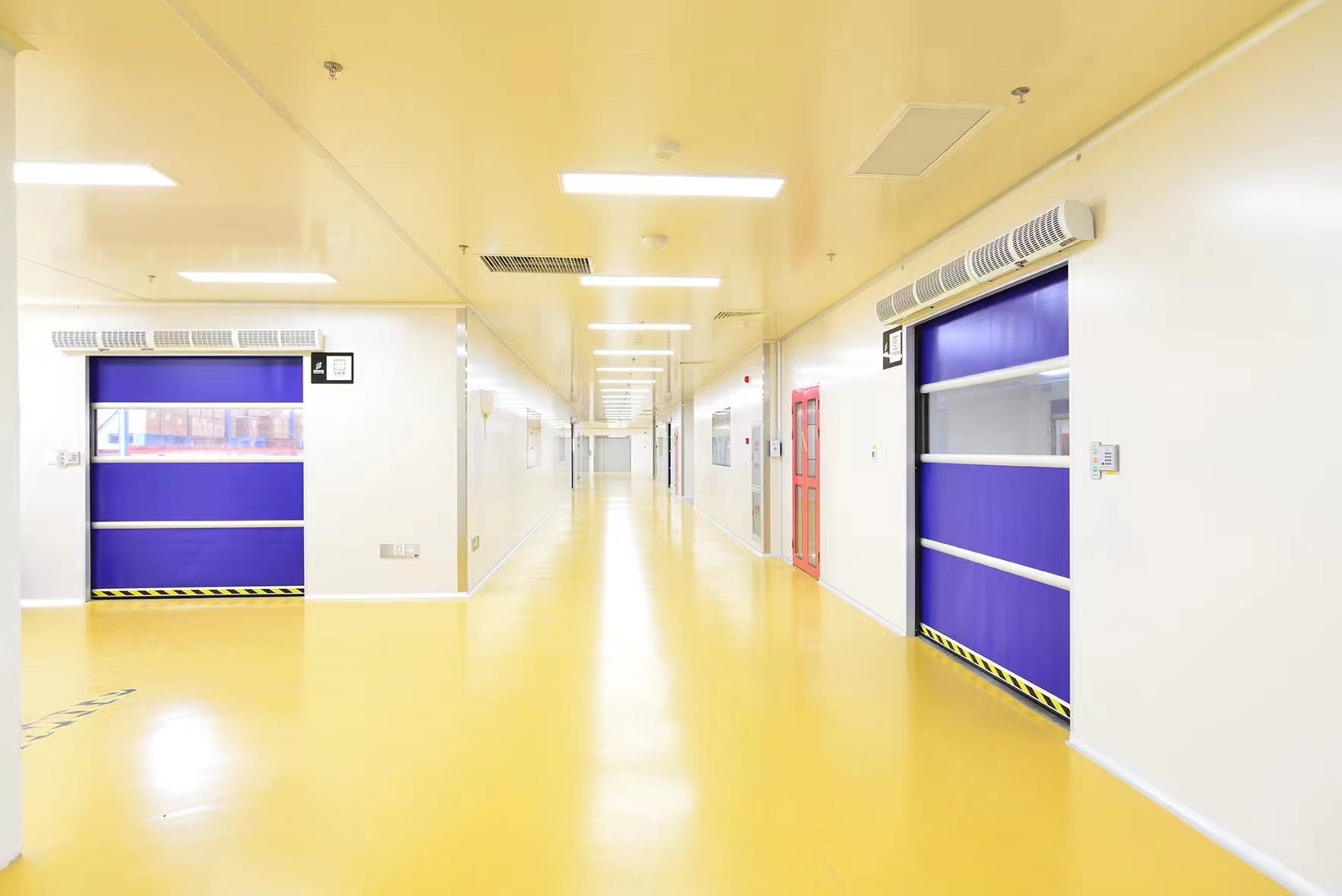
Plan access, visibility, frames and sealing details around people, materials and equipment.
View the Common System ↗Resolve corners, floor connections and service penetrations with the responsible designers.
Explore Project Planning ↗Requirements depend on the formulation, process, market and risk assessment. A panel system is not an ISO 22716 certificate, and cosmetics rooms should not be given a universal ISO cleanliness class or described as aseptic by default.
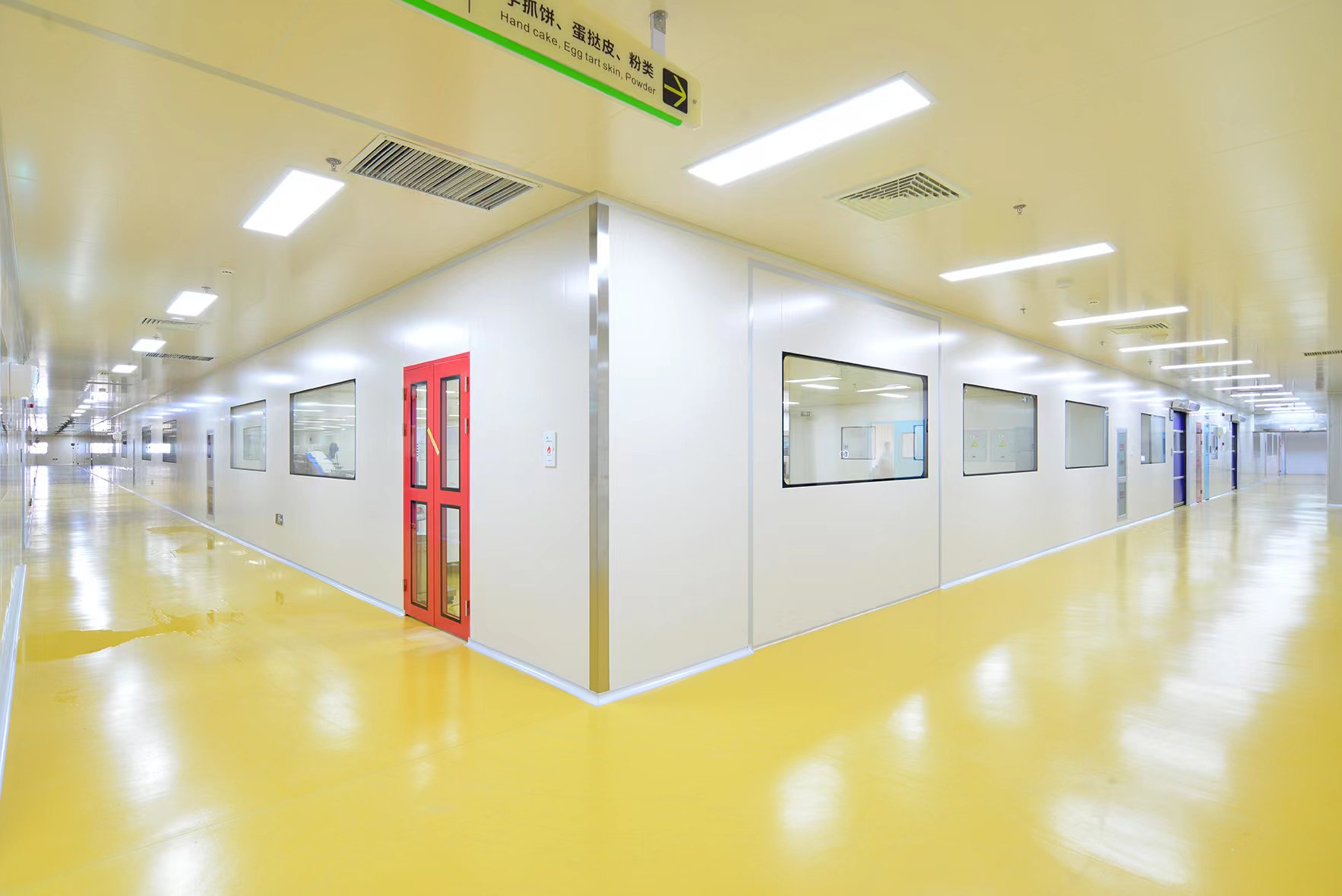
Related Hygienic-Enclosure Reference
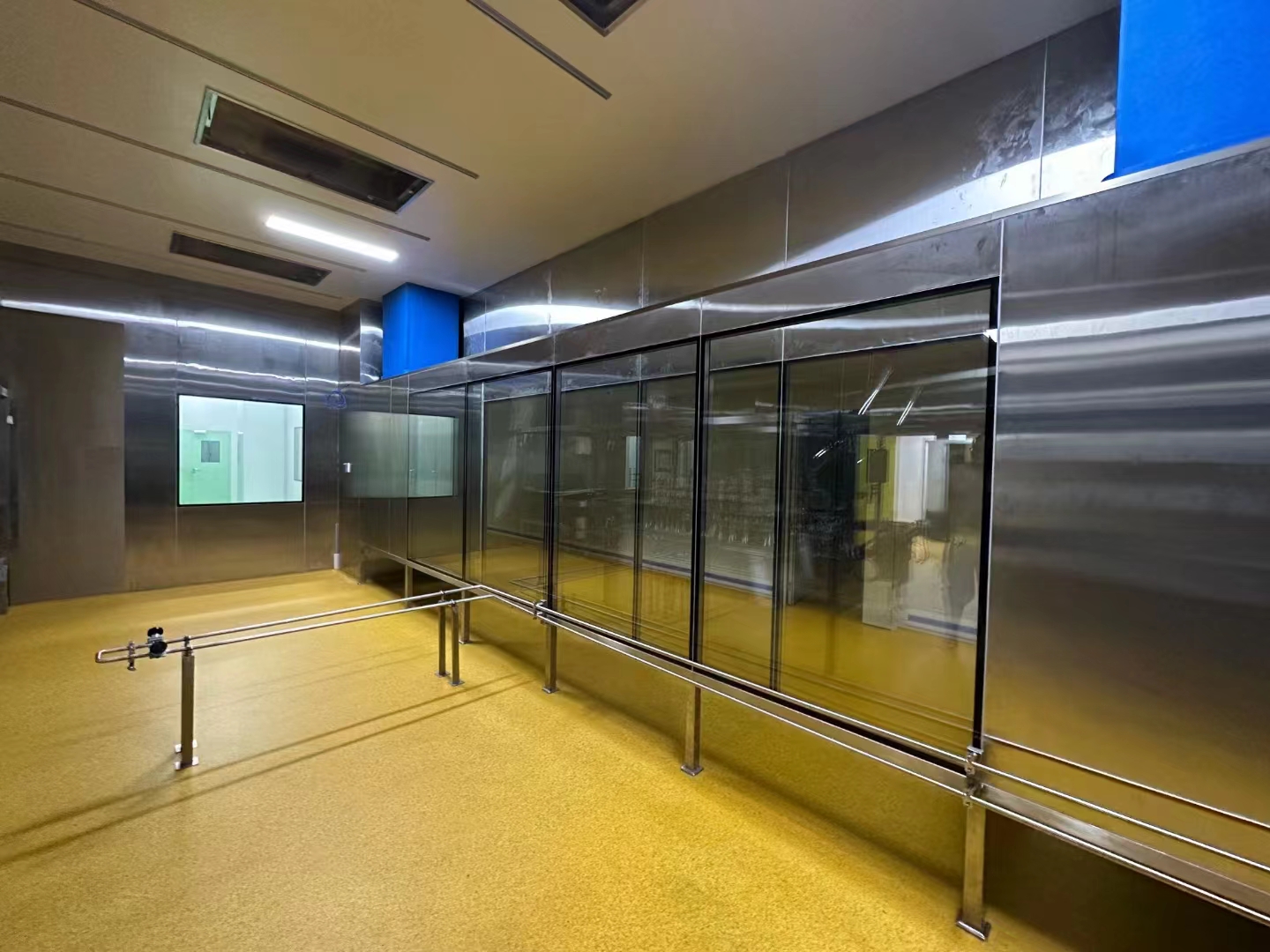
This is an actual food project, not a cosmetics case. Its enclosure details provide a starting point for discussing surfaces, openings and cleaning interfaces; the specification must be reviewed for your cosmetic process.
Review relevant junction details against the proposed cleaning method.
Coordinate container, ingredient and personnel movement for the new project.
Product, country and available drawings.
Review the process, rooms and missing inputs.
Agree supply, interfaces and responsibilities.
Review scope, timing and commercial terms.
Let’s Define Your Project
Start with the information you have. Tell us the activity, location and scope you need.
Room plans, process flows and equipment schedules can be sent directly by email.
Before You Start
No single class should be applied automatically. Product exposure, formulation, process, hygiene requirements and the intended market determine the room-design basis.
No. A panel system is not certification of a cosmetics manufacturing operation. Any GMP-related requirements must be addressed by the facility and operating system as a whole.
Do not assume so. Moisture, ingredients, dust, cleaning and cross-contamination risks differ. Review zones and material choices for the actual workflow.
Not in a standard enclosure supply. Process machinery, water systems and specialist utilities require separate specification and explicit inclusion in the project proposal.
Start with the current layout, product flow, cleaning methods, retained equipment and shutdown constraints. Confirm the scope and interfaces before defining the installation sequence.
For cosmetics factory cleanroom panels, send the product category, process flow, ingredient handling, room plan, heights and country. Add the filling method and cleaning regime. Use the quotation checklist to distinguish enclosure supply from process machinery and other systems.