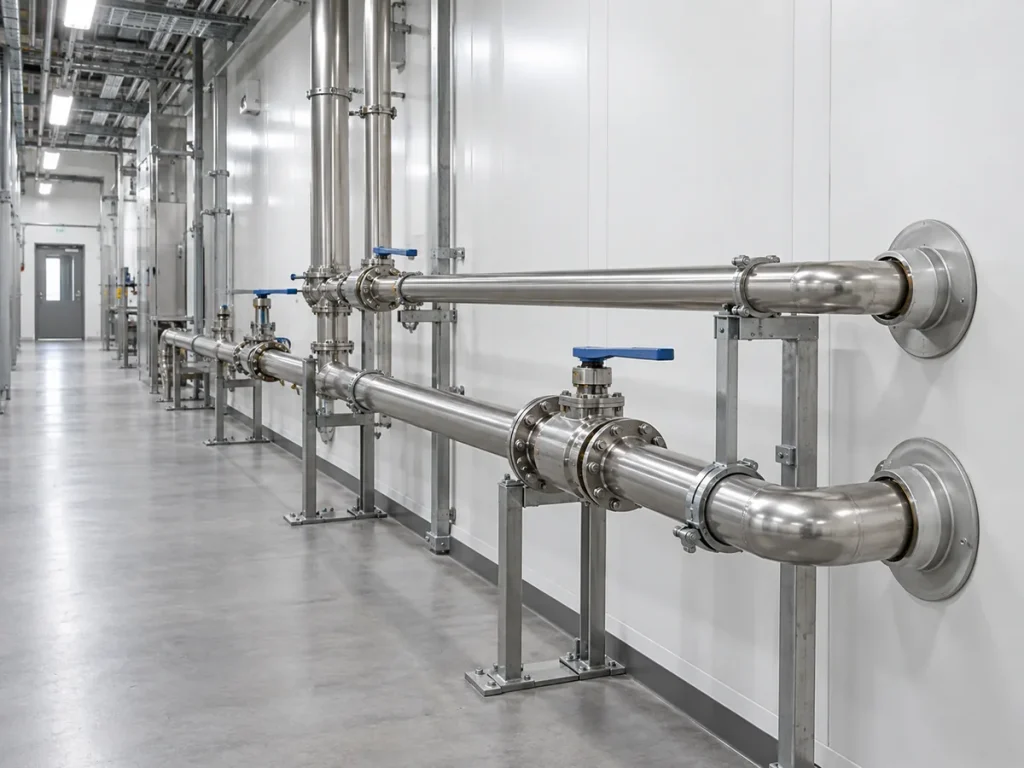
What should be checked before cutting liquid-cooling pipe openings?
Confirm the pipe route, opening dimensions, boundary detail, support arrangement and maintenance access against the approved equipment layout before releasing the panel schedule. Include insulation and installation allowances specified by the designers. A nominal pipe diameter alone does not define the opening, and a wall-panel thickness does not establish its capacity to support pipework.
Fix the opening schedule before manufacturing
For a data center enclosure using cleanroom wall panels and ceiling panels, ask for a coordinated opening register rather than separate marked-up drawings from each trade. Give every opening an ID, a location and a drawing revision.
The register should connect the enclosure package to the mechanical and equipment drawings. These are procurement coordination inputs, not universal opening sizes.

| Input | What to confirm |
|---|---|
| Equipment and route | Rack and coolant distribution unit positions; pipe entry direction; current mechanical drawing. |
| Complete pipe envelope | Pipe outside diameter, insulation, sleeves or frames, movement and installation allowances. |
| Panel opening | Opening ID, dimensions, elevation, panel joint locations and edge treatment. |
| Loads and access | Support and fixing design; valve, connection and equipment-replacement access. |
| Boundary requirements | Required fire, air-sealing, moisture and finish details, with the responsible approving party. |
Match the penetration to the actual boundary
Identify the wall or ceiling construction before choosing a sleeve, closure or seal. Show how the specified facing, exposed core, insulation and service connection are treated at the opening.
Where the opening passes through a fire-rated assembly, the fire-protection designer should select a suitable system for the actual substrate, penetrating item and installation conditions. A panel fire report or a sealant label alone does not verify the penetration. UL Solutions explains why substrate and installation differences matter.
Record any change before cutting. AILV junction references support enclosure coordination; project approval is still required for the selected pipe detail.
Keep connections and service routes accessible
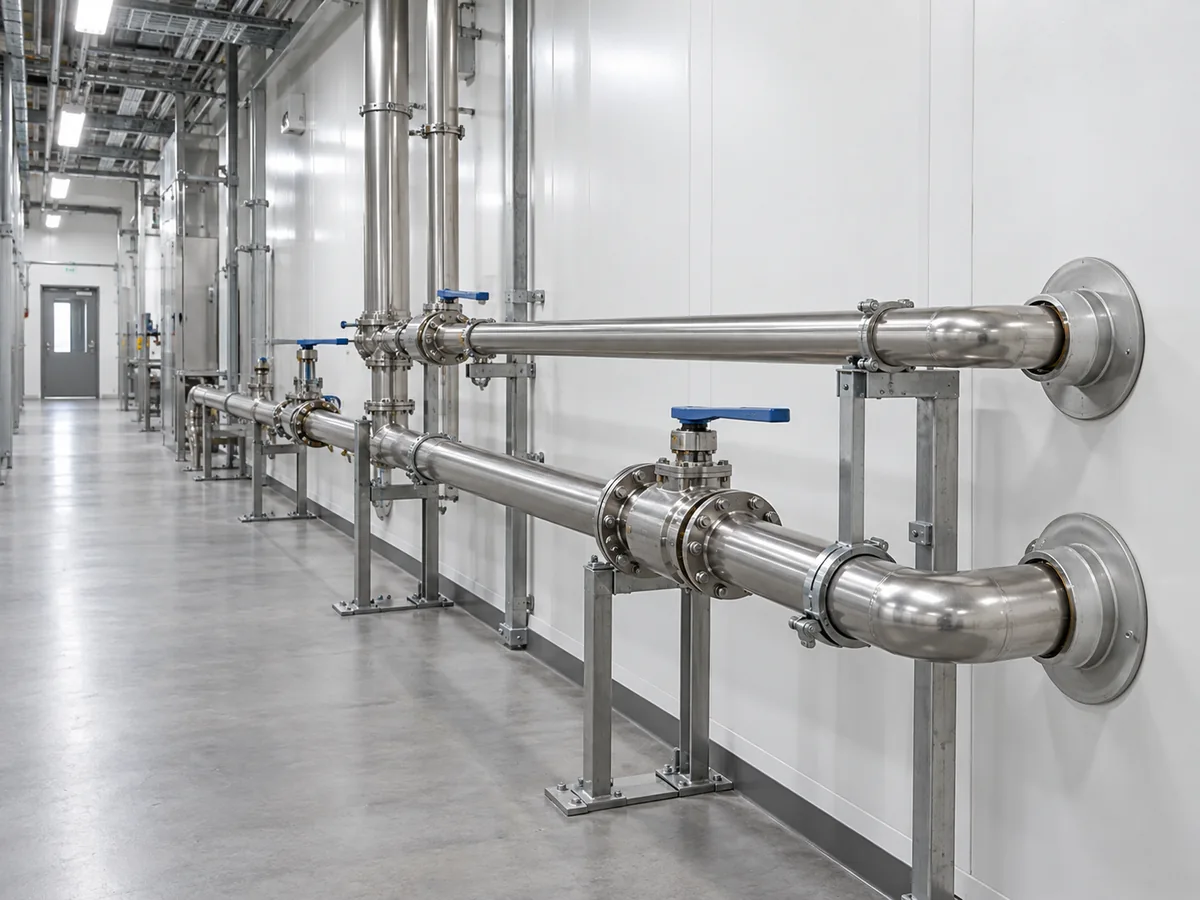
Check the selected equipment manual before placing panels around racks or cooling equipment. For example, NVIDIA’s DGX GB rack guide locates manifold connections at the rear and describes both liquid-cooled and air-cooled components. This equipment-specific example does not set clearances for other systems.
The cooling specialist should confirm connection access, isolation, leak detection and maintenance routes. Coordinate these with enclosure openings and doors; do not close a service connection behind an inaccessible panel.
AILV manufactures the agreed enclosure components. K-STONE can provide agreed sales and engineering coordination. Cooling, structural support and fire-protection design remain with the appointed specialists.
Keep a traceable installation record
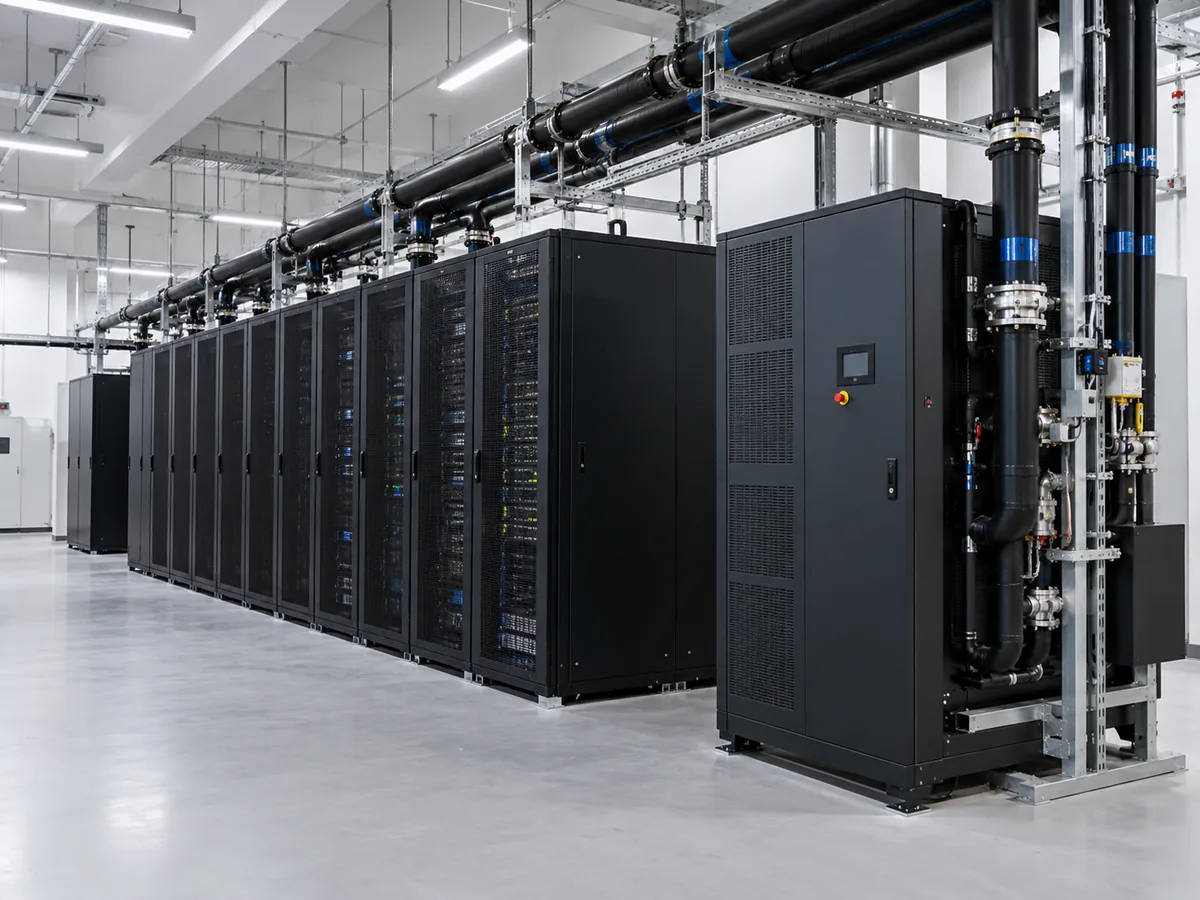
Check installed openings against the approved register, then record changes, selected sealing products and inspection results. For firestopping, retain the relevant system details and installation evidence. UL Solutions’ planning guide discusses identifying penetrations and photographing the work.
Agree acceptance checks with the project team. Sealing an opening does not establish a room’s air-leakage performance or replace cooling-system testing.
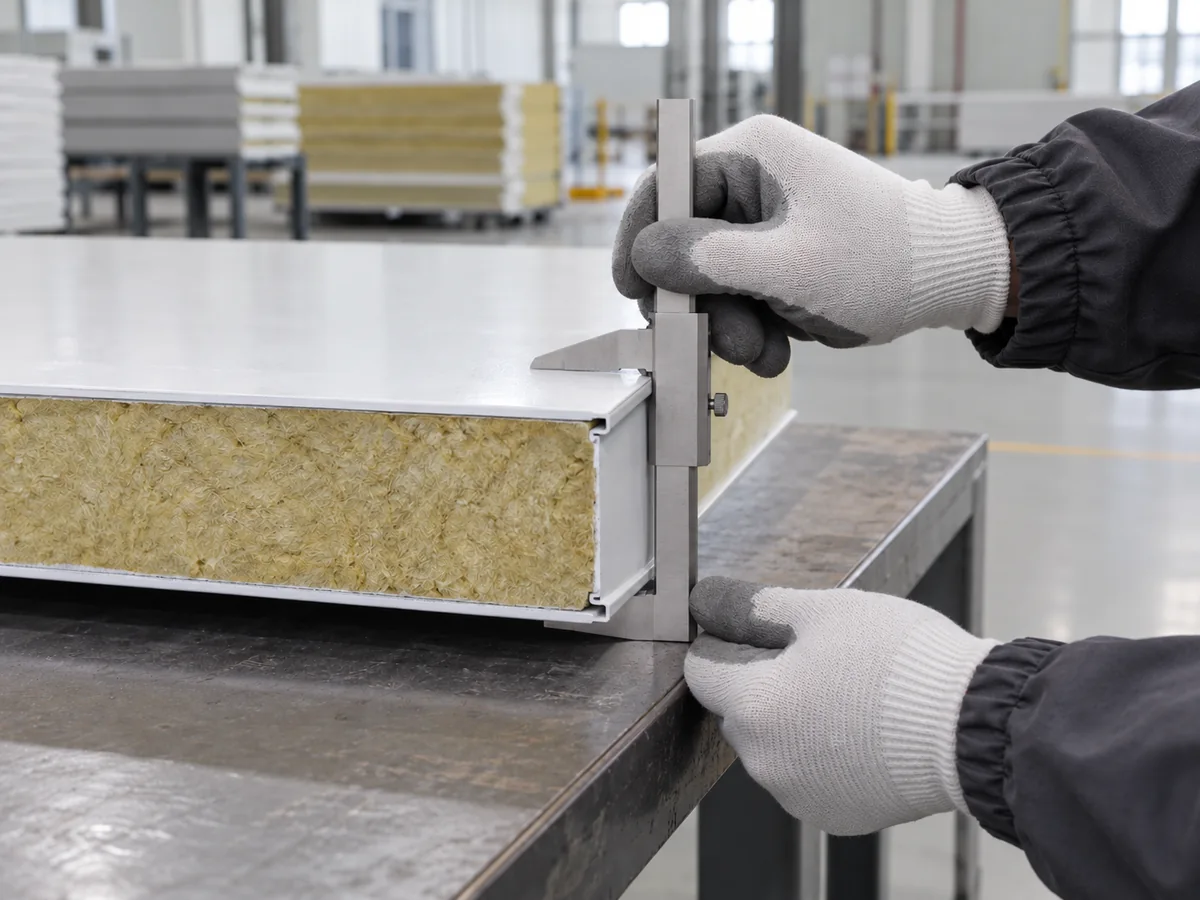
For an enclosure quotation, send the current layout and opening register with your panel requirements. See the data center enclosure scope and quotation information checklist.
Prepared by AILV. Technical sources reviewed 2 November 2026. Illustrations explain coordination topics and do not represent completed AILV data center projects.
Frequently asked questions
Can liquid-cooling pipe openings be cut on site?
Site cutting may be possible under an approved method. Agree the location, edge treatment, reinforcement and sealing detail first. The contractor should control debris and protect operating equipment. Changes to a fire-rated construction need review against the applicable firestop system.
Can cleanroom ceiling panels support cooling pipework?
Do not assume this from panel thickness. Ask the structural and mechanical designers to define the load path, supports and fixings. Use the approved support arrangement and relevant assembly evidence before applying pipe or equipment loads.
Does sealing a wall opening replace liquid-leak detection?
No. A boundary seal and liquid-leak detection serve different functions. The cooling specialist should define detection, isolation and response, while the enclosure detail addresses the specified wall or ceiling boundary requirements.
What should accompany a data center panel quotation?
Send the current layout, panel schedule, opening register, relevant equipment drawings, pipe and insulation dimensions, boundary requirements, access needs and scope split. Mark unresolved information so it can be reviewed before manufacturing.