Short answer: Remove protective film according to the film and panel supplier’s instructions and the installation sequence. Plan removal before the film becomes trapped by joints, frames or sealant, while preserving surface protection where later work could cause damage. Exposure and removal limits depend on the specific film and finish.
Why does removal timing matter?
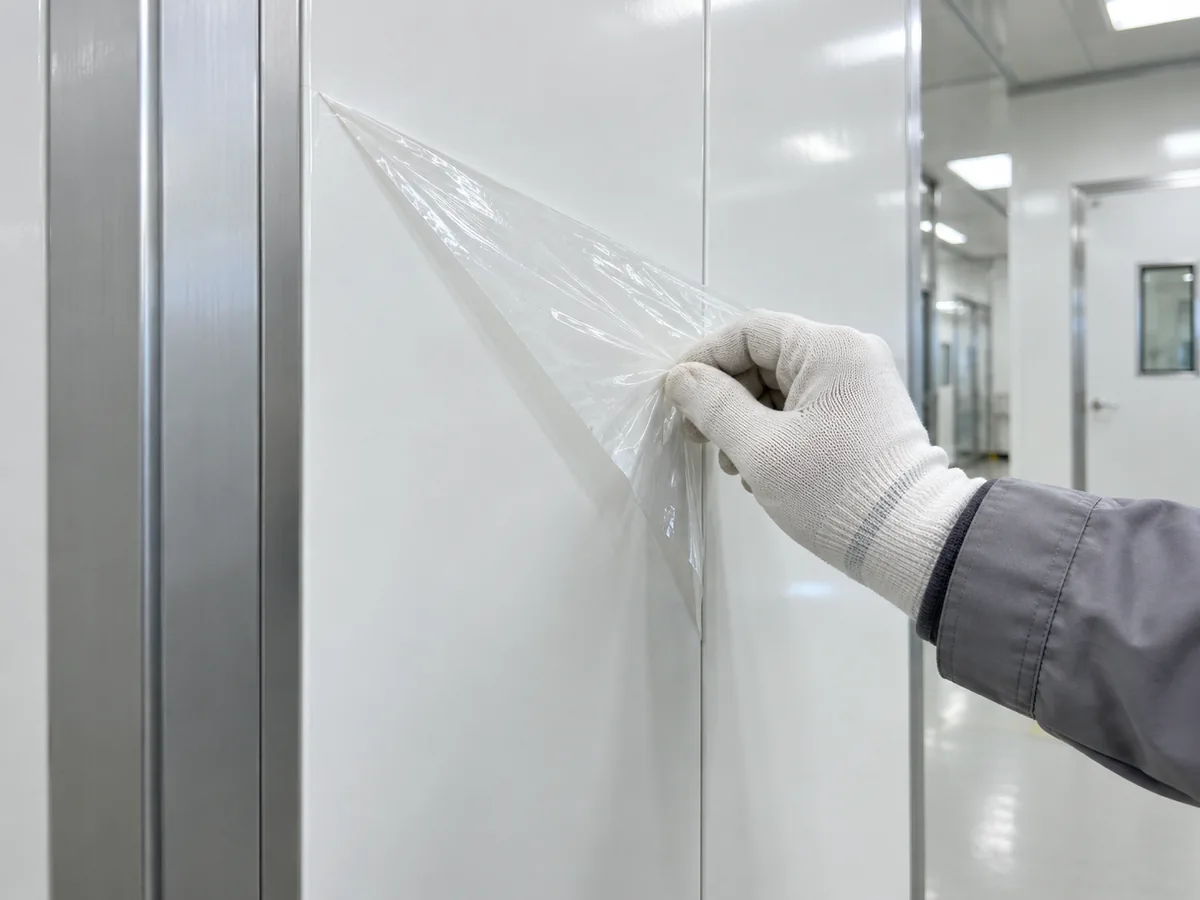
Temporary film helps protect the visible finish during handling and installation. If left on too long or exposed to unsuitable conditions, removal can become difficult and the finish may be affected. ArcelorMittal’s protective-film guidance describes these risks for its own panel products. Its removal deadlines and warranty terms apply to those products, not automatically to AILV panels.
When should installers remove the film?
- Before the panels arrive: Request the applicable storage, exposure and removal instructions for the film and surface finish. Record the relevant dates and site conditions.
- At delivery: Inspect the packaging and panel surfaces for damage. Store panels as instructed and avoid exposing film-covered surfaces to direct sun or excessive heat.
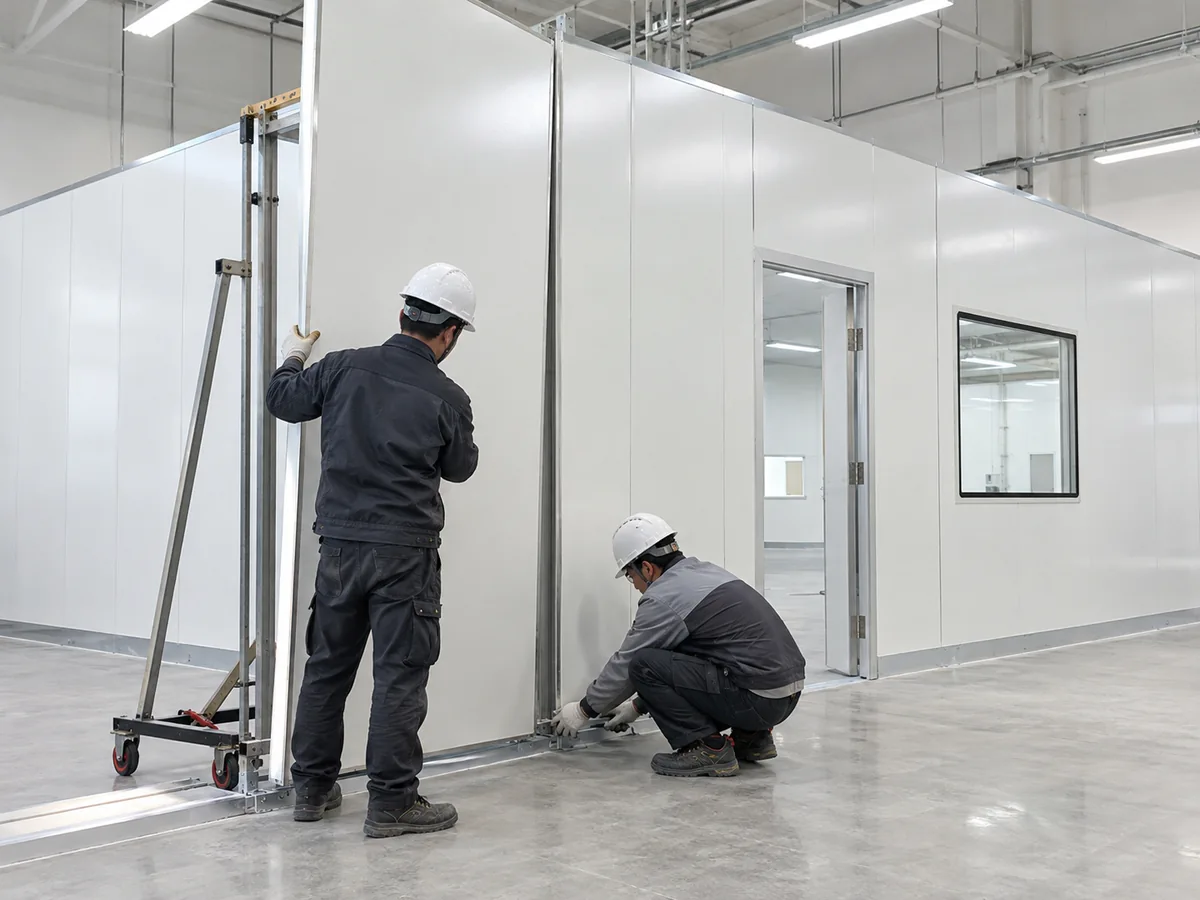
- During installation: Coordinate with the approved panel-joint, door-frame and sealant details. Where the film would otherwise be trapped or interfere with the joint, remove the necessary portion at the appropriate stage; protect exposed finishes from later trades.
- Before handover: Remove the remaining film within the applicable supplier limits, inspect the visible finish and document any damage or residue.
What if the film tears or leaves adhesive?
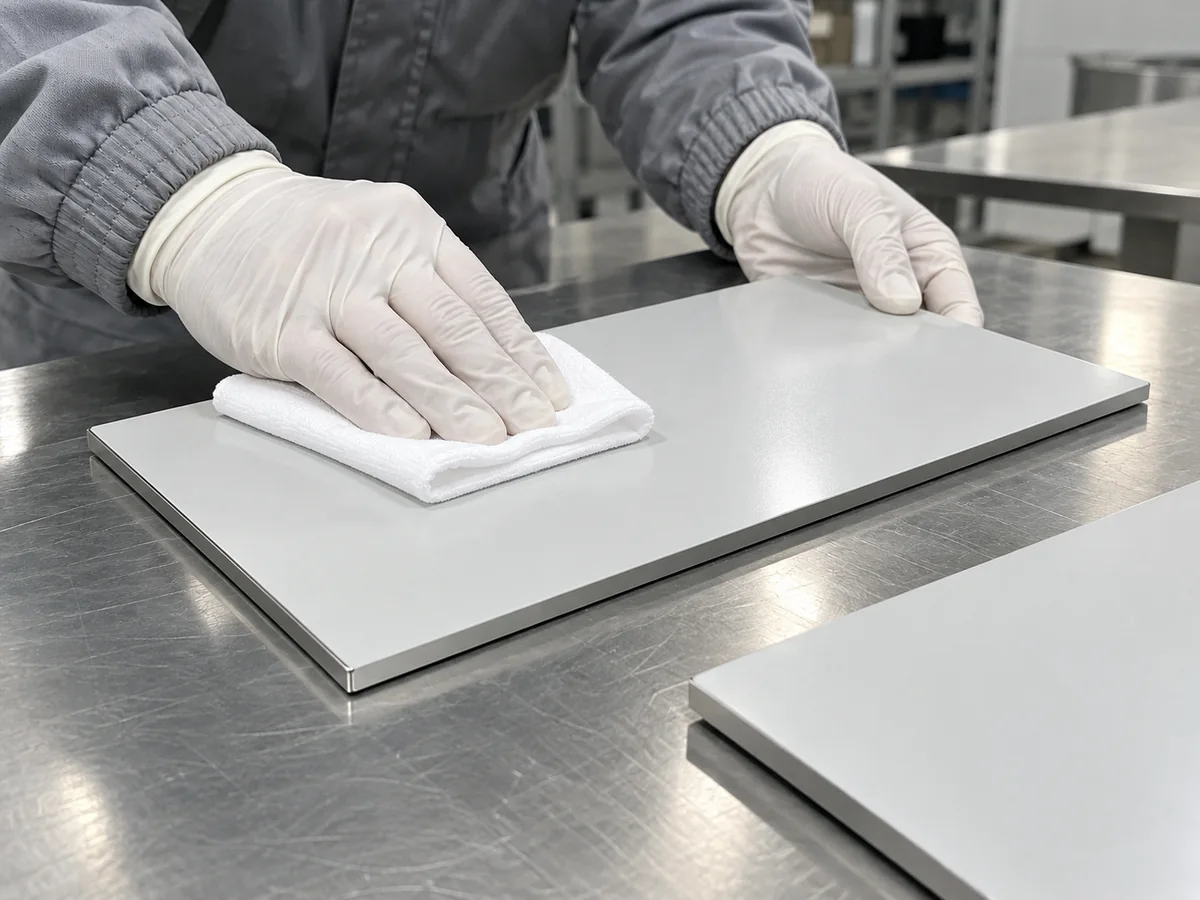
Stop if the film is unusually difficult to remove or the finish appears to lift. Record the panel identification, site conditions and affected area, and contact the panel supplier for product-specific instructions. Do not use heat, sharp tools or solvents as a shortcut without the supplier’s approval; the approved method must be compatible with the actual surface.
What should the project team agree before ordering?
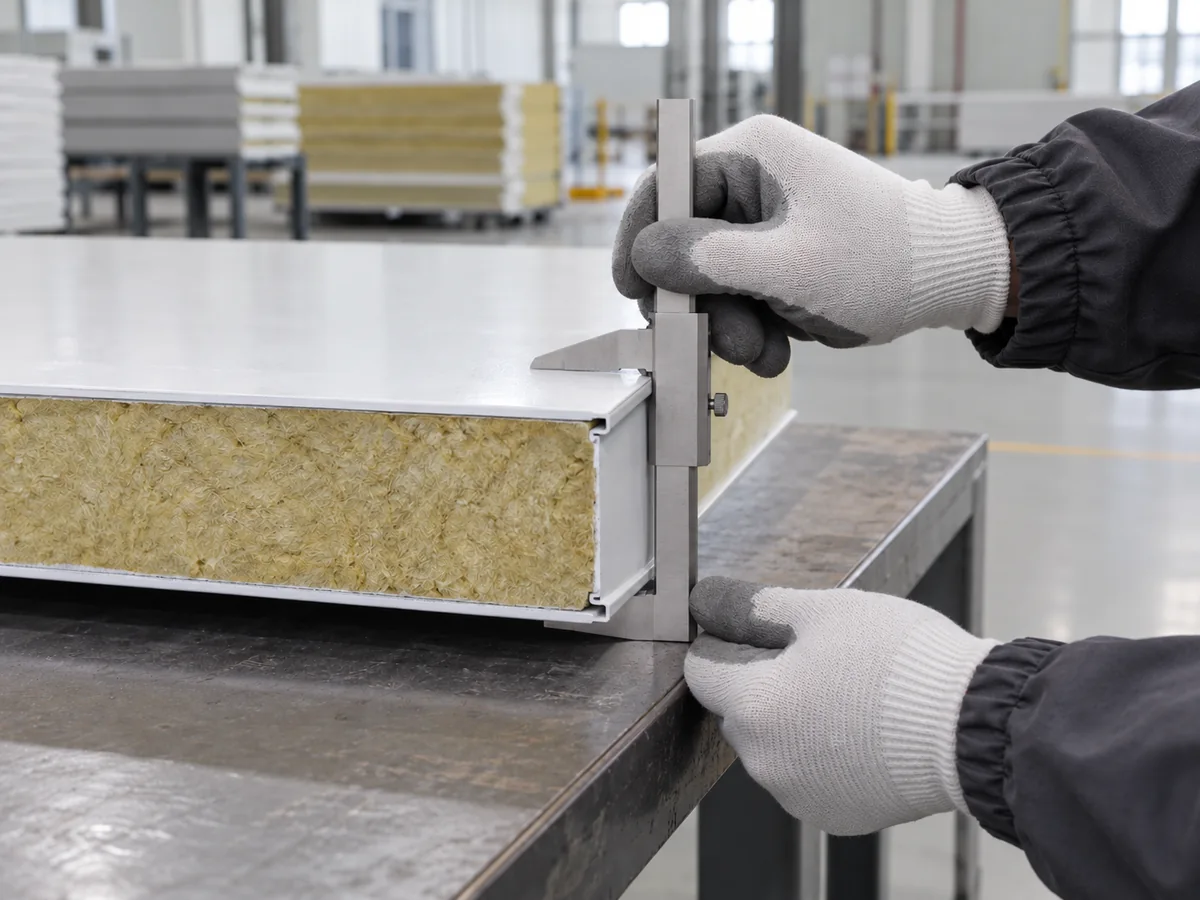
- Panel finish, protective-film type and any supplier-provided storage or removal limits.
- Expected transport duration, covered storage and likely exposure at site.
- Installation sequence and where film must be cleared around joints, frames and sealant.
- Who removes the film, inspects the finish and provides temporary protection for follow-on work.
Can all panel films stay in place until final cleaning?
Not necessarily. The allowable duration and exposure depend on the particular film and finish, and some edges may need to be cleared earlier for installation. Agree the sequence and any remaining surface protection with the supplier and installer.
Plan the rest of the installation
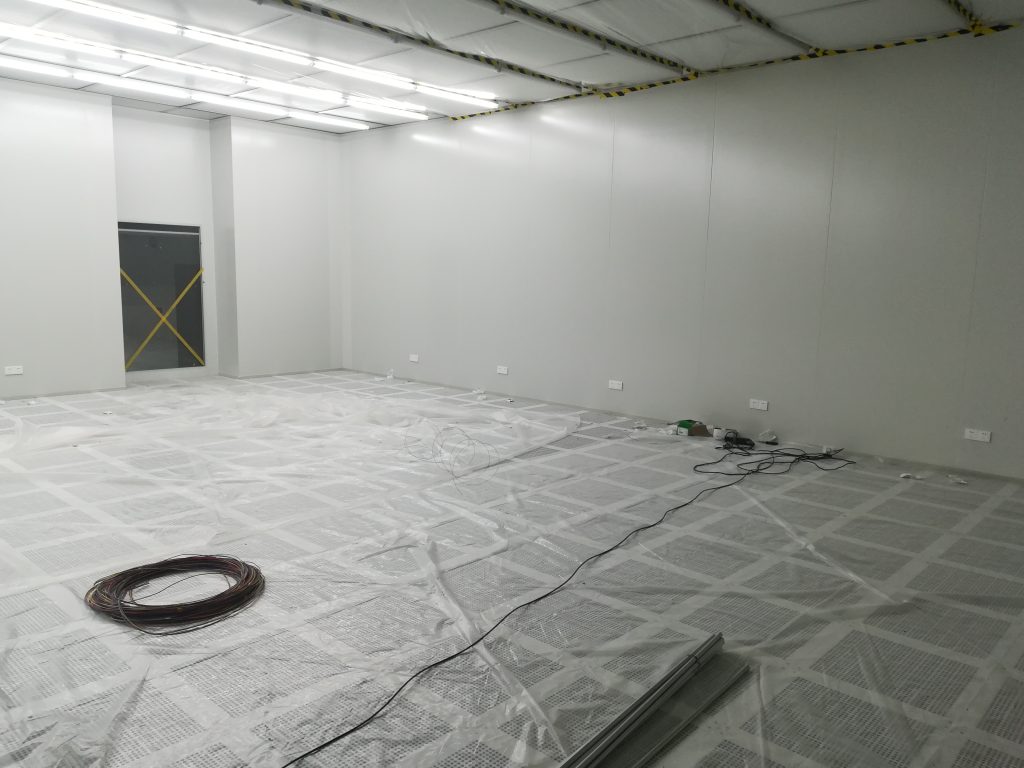
Read AILV’s cleanroom panel installation guide and packing and shipping guide. For a project-specific panel and film selection, send your project requirements.
Prepared by AILV.