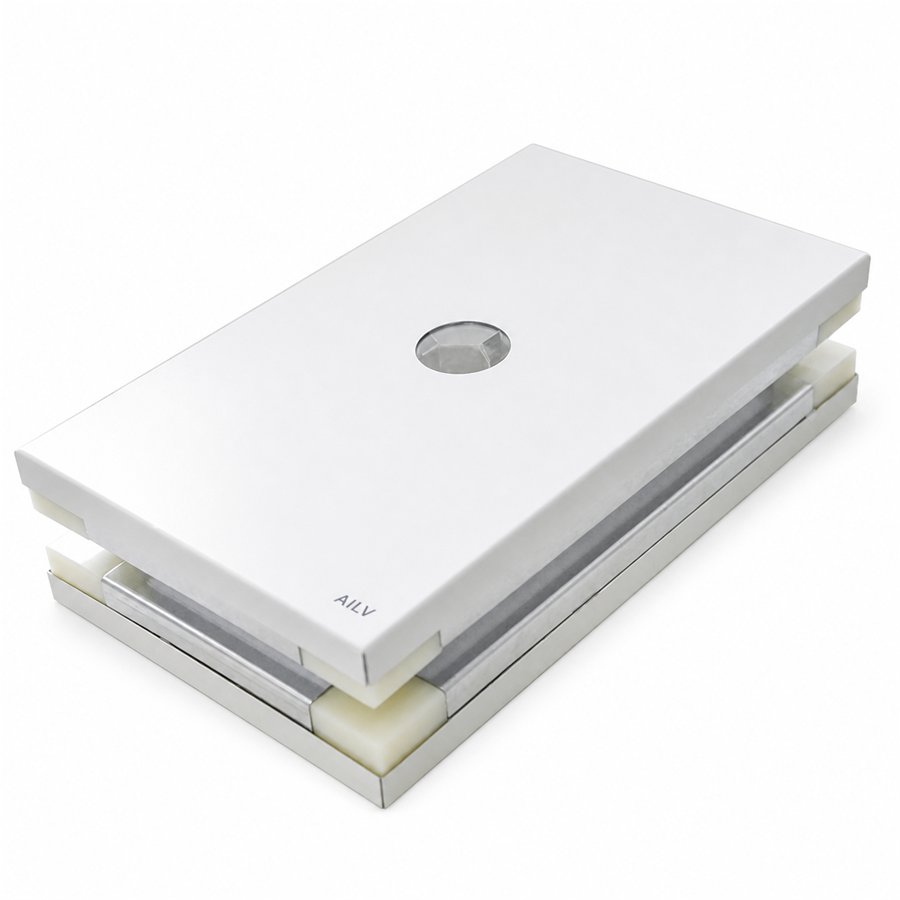
Key Engineering Takeaways: Select a cleanroom panel core by room conditions, fire strategy, cleaning, thermal duty and support layout. Compare rock wool, PU, PIR, magnesium-based, aluminum honeycomb and paper honeycomb as complete assemblies, including facings, joints and the documentation needed for the project.
Compare Cleanroom Panel Core Options
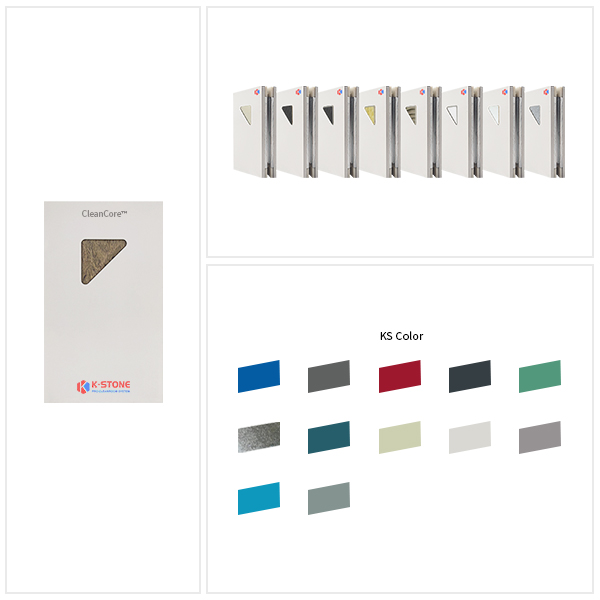
Compare the six material groups below against the complete panel construction and your project requirements.
On a small screen, scroll the comparison table horizontally to read all columns.
| Core / construction | Where to start your review | Confirm for the quoted assembly |
|---|---|---|
| Rock woolMineral-fibre coreView a rock wool panel | Screen the project fire strategy, insulation and acoustic requirements. | Core grade and density; facings, joints and supports; applicable complete-assembly fire, thermal or acoustic evidence. |
| PU foamPolyurethaneView an AILV PU panel | Assess thermal duty, operating temperature and vapour-control needs. | Ask for the PU formulation, thickness, facing, joints, thermal data and evidence for the complete assembly. |
| PIR foamPolyisocyanurate | Consider PIR where the project calls for that specific formulation. | Request the offered PIR formulation, availability, thermal and fire documentation for the specific assembly. A PU listing does not establish PIR supply. |
| Magnesium-basedBoard or composite build-upView a magnesium oxysulfide panel | Identify board chemistry and layer sequence before comparing alternatives. | Exact board type and layers; humidity exposure; bonds, facings, reinforcement and required performance evidence. |
| Aluminum honeycombMetal cellular coreView an aluminum honeycomb panel | Assess actual panel weight, flatness, support layout and opening reinforcement. | Cell and foil specification, bonding, edge frame, inserts and applicable complete-assembly evidence. |
| Paper honeycombPaper cellular coreView a paper honeycomb panel | Screen humidity, cleaning exposure and the intended wall or ceiling use. | Core grade and treatment, sealed edges, bonding, reinforcement and moisture-related evidence where required. |
Catalogue size reference: The K-STONE 2026 catalogue lists 50 mm handmade aluminum and paper honeycomb reference panels with 21 mm cells, 980 / 1180 mm standard modules and 0.5 / 0.6 mm steel facings. Review the selected configuration and current supply with AILV.
Availability note: The links show listed AILV models, not guaranteed stock or performance. A PU listing does not establish PIR availability. Confirm the offered core, manufacturing format and supporting-document availability before quotation approval.
Engineering Parameter Comparison
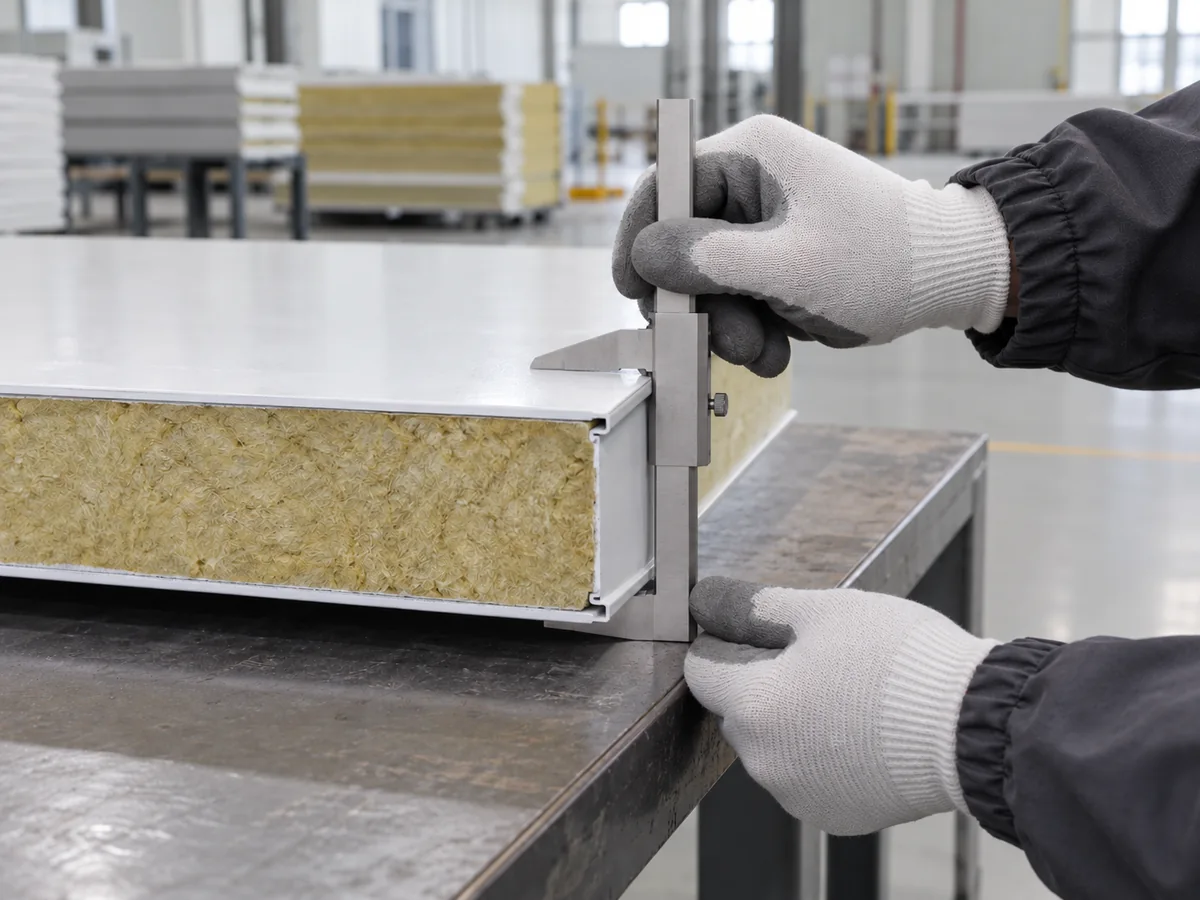
Compare named constructions using the same test method, specimen and conditions. The values below are catalogue references for the specific constructions named; the fire, strength and leakage requirements must be checked for the complete panel or installed enclosure.
On a small screen, scroll the engineering table sideways. Keyboard users can focus the table and use the arrow keys.
| Construction | Fire Rating | Core Density | Compressive Strength | Air Leakage and Joints |
|---|---|---|---|---|
| Rock woolHandmade or composite | AILV’s 2021 catalogue uses the label “A grade” for handmade rock wool; request the named standard, classification and report for the offered assembly. | 100 kg/m³ in the catalogue’s specific 100 mm double-gypsum/rock-wool reference; this is not a value for every rock wool panel. See the reference construction → | Request core compression data with specimen direction, test method and condition; review panel span and supports separately. | Confirm joint profile, sealant and interfaces; the core name does not establish a leakage rate. |
| PU foamMachine-made reference | Compare the reaction-to-fire classification or fire-resistance requirement against the specified assembly and its documentation. | 15–45 kg/m³ in AILV’s 2021 machine-made PU catalogue; identify the quoted grade and current density. View PU panel → | Ask for the selected foam grade, compressive strength and test conditions; check panel load and support design separately. | Review side joints, penetrations and vapour-control continuity for the operating conditions. |
| PIR foamSpecified formulation | Ask for evidence for the offered formulation and complete assembly; PU and PIR are not interchangeable labels. | Density depends on the offered grade; PIR availability is not established by an AILV PU listing. | Request the grade-specific compression method and result if PIR is offered. | Define the installed joint and seal details and any leakage criterion. |
| Magnesium-basedBoard or composite | Identify the actual board chemistry and layers; match the specified classification to a valid report. | 200 kg/m³ for the K-STONE 2026 handmade KS-CC-04 50 mm magnesium oxysulfide reference construction; confirm the actual offered board. See the catalogue reference → | Request the board or composite strength, specimen direction and test method; do not substitute a core value for panel strength. | Coordinate the panel edges, seal and door/window and service interfaces. |
| Aluminum honeycombMetal cellular core | Confirm the whole build-up and the applicable test or classification rather than relying on the metal core name. | Define cell and foil specification, panel build-up and area weight; core density is not stated for this comparison. | Request compression data for the selected cell/foil and bonding; check openings and edge reinforcement separately. | Review edge-frame and joint details and the installation leakage requirement. |
| Paper honeycombPaper cellular core | The 2021 catalogue uses “B1” for the listed handmade paper honeycomb panel; confirm the standard and offered build-up against its report. | Define cell, treatment and panel area weight; core density is not stated for this comparison. | Request core grade, compression test and moisture conditions; check the complete panel and reinforcement. | Review sealed edges, junctions and moisture exposure against the room design. |
Reading the matrix: Catalogue wording and reference values describe the stated historical construction, not a certificate, current stock or a verified performance rating for every AILV panel. A core’s compressive strength is not the same as a ceiling assembly’s permitted walk-on load. Airtightness is determined for the specified installed system and test conditions.
Panel Cross-Section: What to Identify

Use the section alongside the sample image to identify the facing, core or board layers and the joint details to include in a specification. Open the sample image for a larger view.
Schematic layers are not to scale. The actual facings, board layers, edge frame, joint and core vary by model and project drawing.
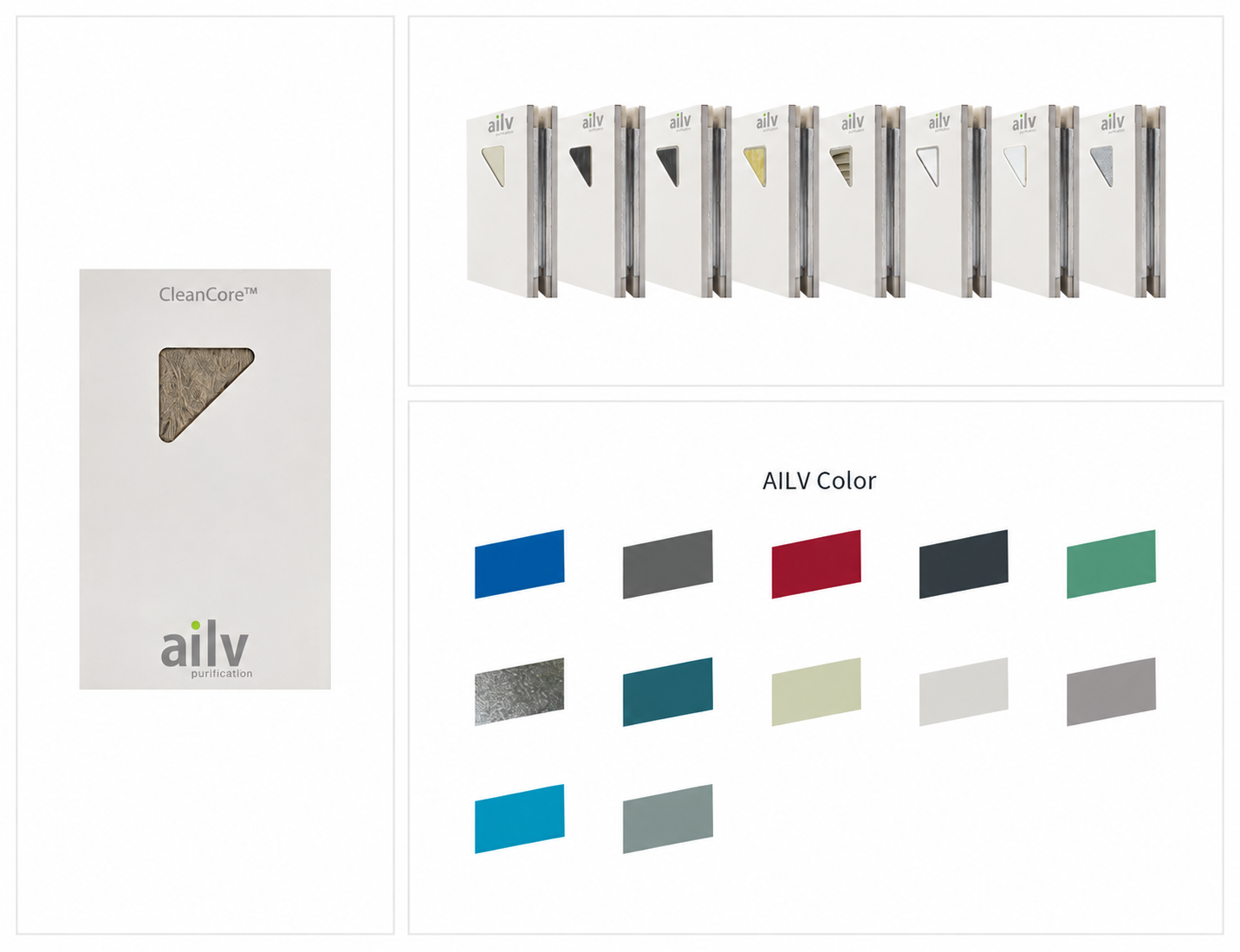
Cleanroom Panels vs Conventional Color-Coated Steel Panels

Color-coated steel describes a facing and is used in many kinds of sandwich panels, including cleanroom panels. Compare the complete offered construction and installation details rather than treating the names as mutually exclusive.
Room Use
A general building enclosure and a controlled manufacturing room may have different hygiene, access and process needs. Start with the room’s actual use.
Surfaces & Cleaning
For a cleanroom, review facing finish, cleanability, disinfectant compatibility and exposed edges. Ask the supplier to identify the precise proposed finish.
Joints & Interfaces
Compare joint profiles, seals, corners, doors, windows and penetrations. A panel is only one part of the installed enclosure.
Evidence & Cost
Compare the same core, thickness, supports, required documents, accessories and installation scope. Fire and thermal performance depend on the proposed assembly.
Follow the cleanroom panel selection decision tree →
Look Beyond the Core Name

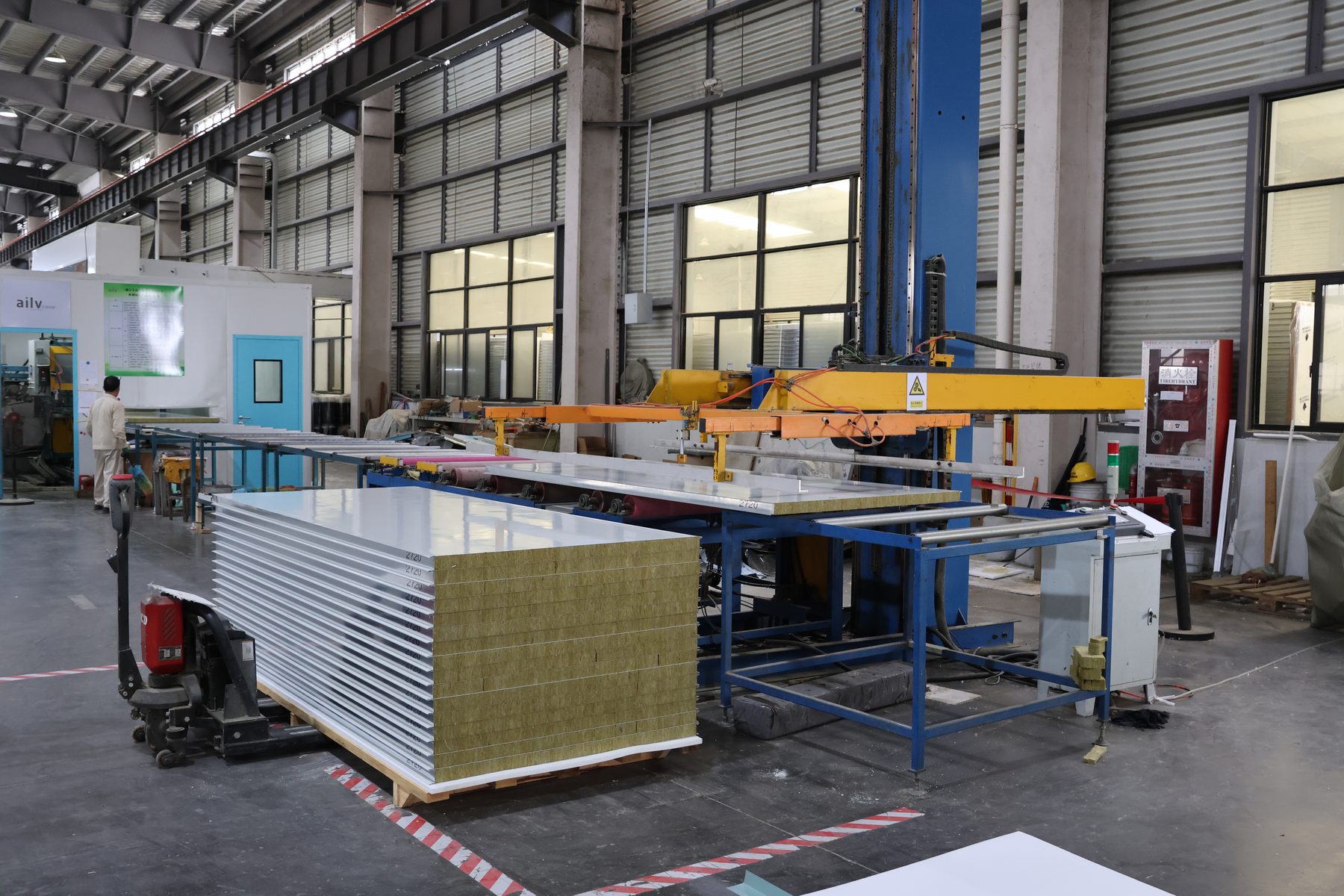
Four Checks Before Choosing a Core
Fire and thermal duty
Define the required fire test or classification and thermal duty. Compare evidence for the complete proposed assembly.
Cleaning and humidity
Share cleaning agents, contact time, temperature and humidity. Check the facing, edges and joints—not only the core.
Supports and openings
Provide wall and ceiling layouts, spans, supports and cut-outs. Any walkability requirement needs a separate engineering review.
Construction and records
State the core, facing, thickness and joint. Confirm which required documents are actually available before ordering.
Frequently Asked Questions
Which core has the best fire performance?
A core name cannot establish a panel or installed-system rating. Identify whether the project requires reaction-to-fire classification, fire resistance or both, then review evidence for the exact construction and test method. See the cleanroom panel standards guide.
Which core is best for cold or temperature-controlled areas?
For cold or temperature-controlled rooms, select the panel construction against the thermal target, vapour control and cleaning regime. Core conductivity, λ [W/(m·K)], differs from panel transmittance, U [W/(m²·K)]; compare values using the same metric.
Ask for panel thickness, whether the stated value covers the core or complete panel, test or calculation method, reference temperature and moisture conditions, and treatment of joints. ISO 7345 defines the quantities; ISO 10456 addresses reference conditions. The NIST insulation database also explains measurement and specimen conditions.
Use AILV Manufacturing Options (PDF) to identify a rock wool configuration, then send it with your thermal target for a quotation. The listed dimensions and core density are manufacturing options, not thermal ratings.
Are PU and PIR the same?
No. They are related rigid-foam materials with different formulations. Confirm the actual foam in the offered product and its own data; an AILV PU product listing does not imply PIR supply.
Are all magnesium-based panels interchangeable?
No. Confirm the exact board chemistry, core or composite layers, facings and bonding. Do not substitute MOS, MgO or another board description without reviewing the complete proposed construction.
Can a ceiling panel be selected by core name alone?
No. Span, supports, openings, reinforcement and service loads must be reviewed together. Do not assume a ceiling is walkable. Read what to verify before accessing a cleanroom ceiling.
From Core Selection to the Enclosure
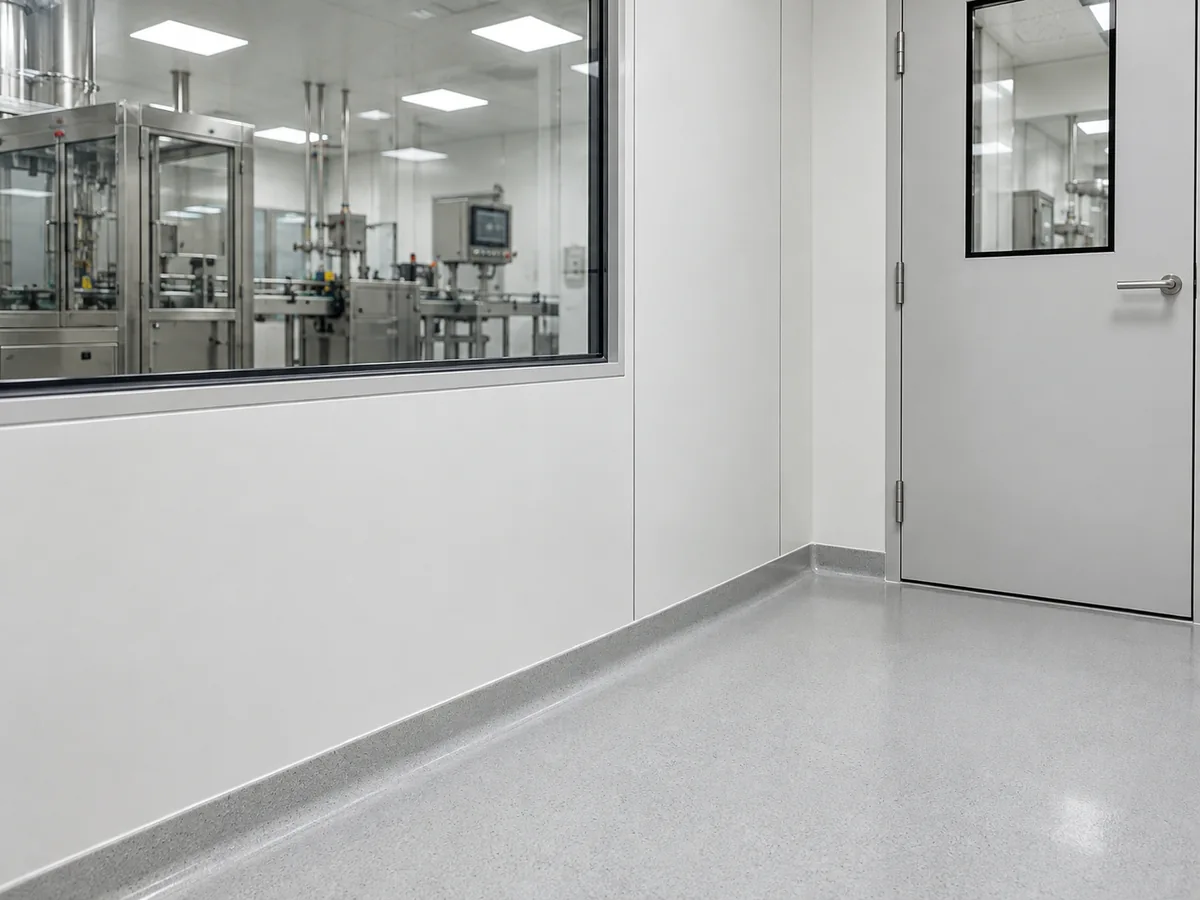

Core selection is only one part of the specification. Explore the CleanCore wall and ceiling panel range and compare handmade and machine-made production formats before confirming modules, openings and connection details.
Discuss Your Cleanroom Panel Selection
Send the room use, country, drawings, wall or ceiling application, temperature and humidity, cleaning regime, opening schedule, quantities and required documents. AILV will review the proposed configuration and scope against the supplied information.
Discuss panel selection →Email: albert@ailvtech.com · Phone/WhatsApp: +8617300630130.